



Additional intervention
Body-oriented interventions
Your body tells what words cannot always express.
Tension in your shoulders, a knot in your stomach, a racing heart, or the feeling that you hardly feel anything any more. Psychological symptoms can show up in your body in different ways. That is why at SheVibes we look not only at your thoughts and emotions, but also at what your body shows. Body-oriented interventions can be part of your treatment, alongside treatment methods such as EMDR, CBT or schema therapy.
 No waiting time: start right away
Often used for
- Trauma and PTSDWhat you went through does not have to keep deciding how you feel today.Read more
- Burn-out and stressCarrying on was your strength for a long time. Recovery begins where you count yourself in again.Read more
- Sleep problemsYou cannot force sleep. You can learn to let your system come to rest again.Read more
- Giftedness and high sensitivityFeeling intensely and thinking deeply is not a problem. Being overwhelmed is.Read more
What are body-oriented interventions?
Body-oriented interventions focus on the interplay between your body, thoughts, emotions and behaviour. By paying attention to physical signals, feelings and reactions, you can gain more insight into how you deal with tension, stress and difficult experiences.
At SheVibes we use a range of body-oriented and experiential interventions, such as mindfulness, breathing exercises, movement, focusing and body-oriented parts work. Exercises can also be used that help you recognise emotions, physical sensations and personal boundaries more clearly.
After long-lasting stress or trauma, physical reactions can keep happening even when you understand rationally that a situation is over. Body-oriented interventions can help you recognise these reactions better and respond to them differently.
We use these interventions as an addition to your treatment, when this fits what you need help with. The exercises can also take place online, with your clinician guiding you from your own familiar surroundings.
Who is it for?
- Women with trauma or PTSD who notice that tension and emotions also play out in the body
- Long-lasting stress, burnout and overstimulation
- When you find it hard to connect with your feelings or physical signals
- When you find it hard to recognise and set boundaries
- Physical tension complaints linked to psychological strain
- As an addition to treatment methods such as EMDR, CBT or schema therapy
Why the body matters
When you have experienced long-lasting stress or a lack of safety, this can affect how your body reacts. Perhaps you notice that you are constantly alert, startle easily, find it hard to relax, or feel little connection with your emotions and body. These reactions can be linked to how your nervous system responds to stress and earlier experiences.
By paying attention to physical signals, you can learn to notice when tension builds, what certain situations bring up in you and what helps you feel safer or calmer again. The aim is not to be relaxed all the time, but to develop more awareness, flexibility and freedom of choice in how you deal with tension and emotions.
What it looks like in a session
Body-oriented interventions can be part of a treatment session in different ways. Your clinician might invite you, for example, to pause on what you notice in your body while you talk about a certain experience. Exercises can also be used in which you pay attention to your breathing, posture, movement or physical sensations. In focusing you explore with attention and curiosity what you experience inside, without having to explain or change it straight away. In body-oriented parts work you learn to recognise different sides of yourself and explore how they show up in your thoughts, emotions and body. Experiential exercises can also help you recognise feelings, needs and personal boundaries more clearly.
You decide together with your clinician which interventions are used, taking your experiences, boundaries and pace into account. Exercises between sessions can be part of treatment, but are not a given.
Practitioners
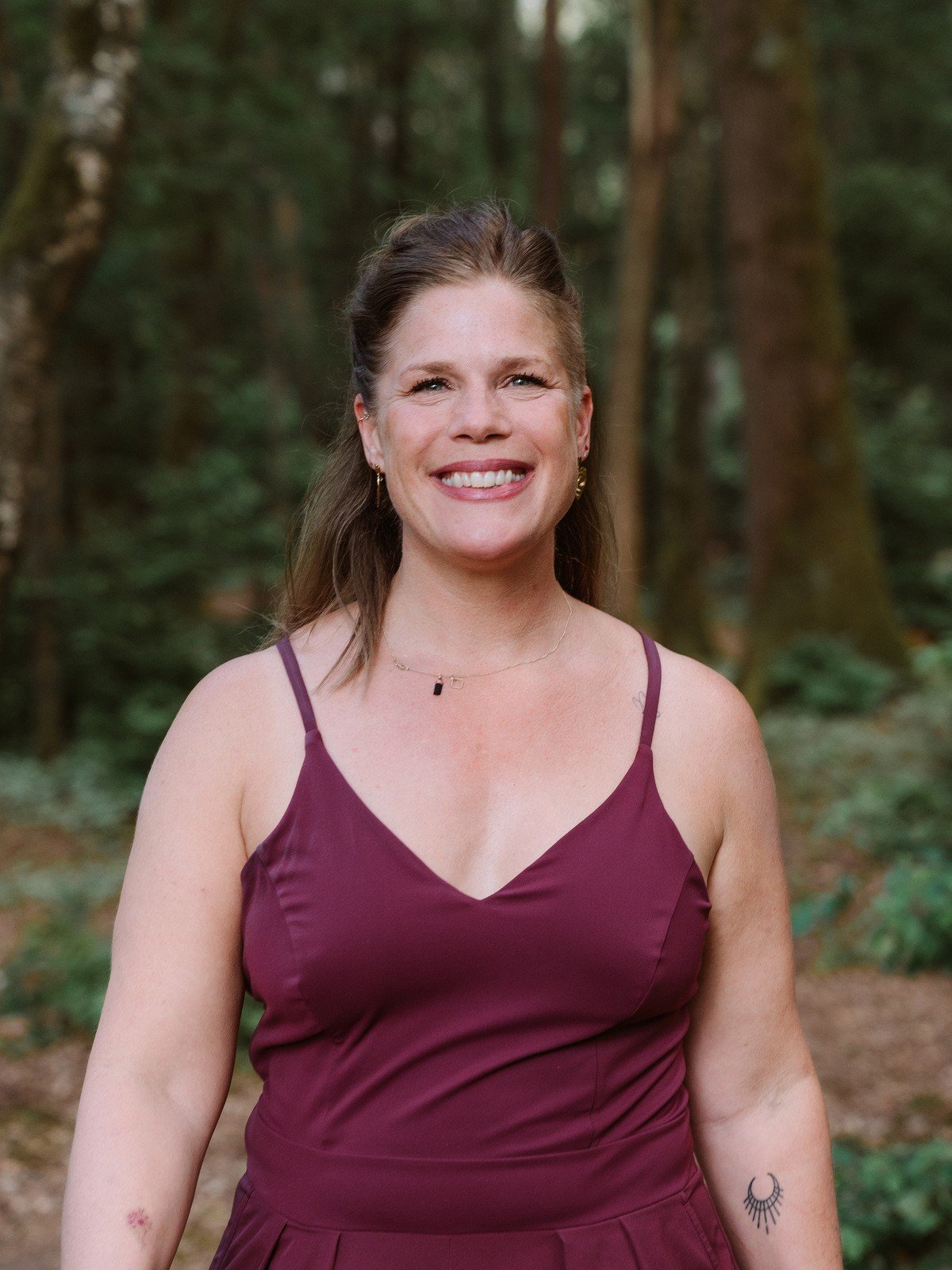
Who works with Body-oriented interventions at SheVibes
When you sign up, we look at who best fits what you need.

Frequently asked questions
Questions about Body-oriented interventions
Can't find your question? We're happy to help.
Further reading


Sources
This page is based on relevant Dutch mental health care guidelines, scientific knowledge about stress, trauma and body-oriented interventions, and the integrative treatment approach of SheVibes. The guidelines below cover trauma treatment and arts and body therapies. Not every body-oriented technique has the same scientific evidence behind it.
Updated on 19 november 2026