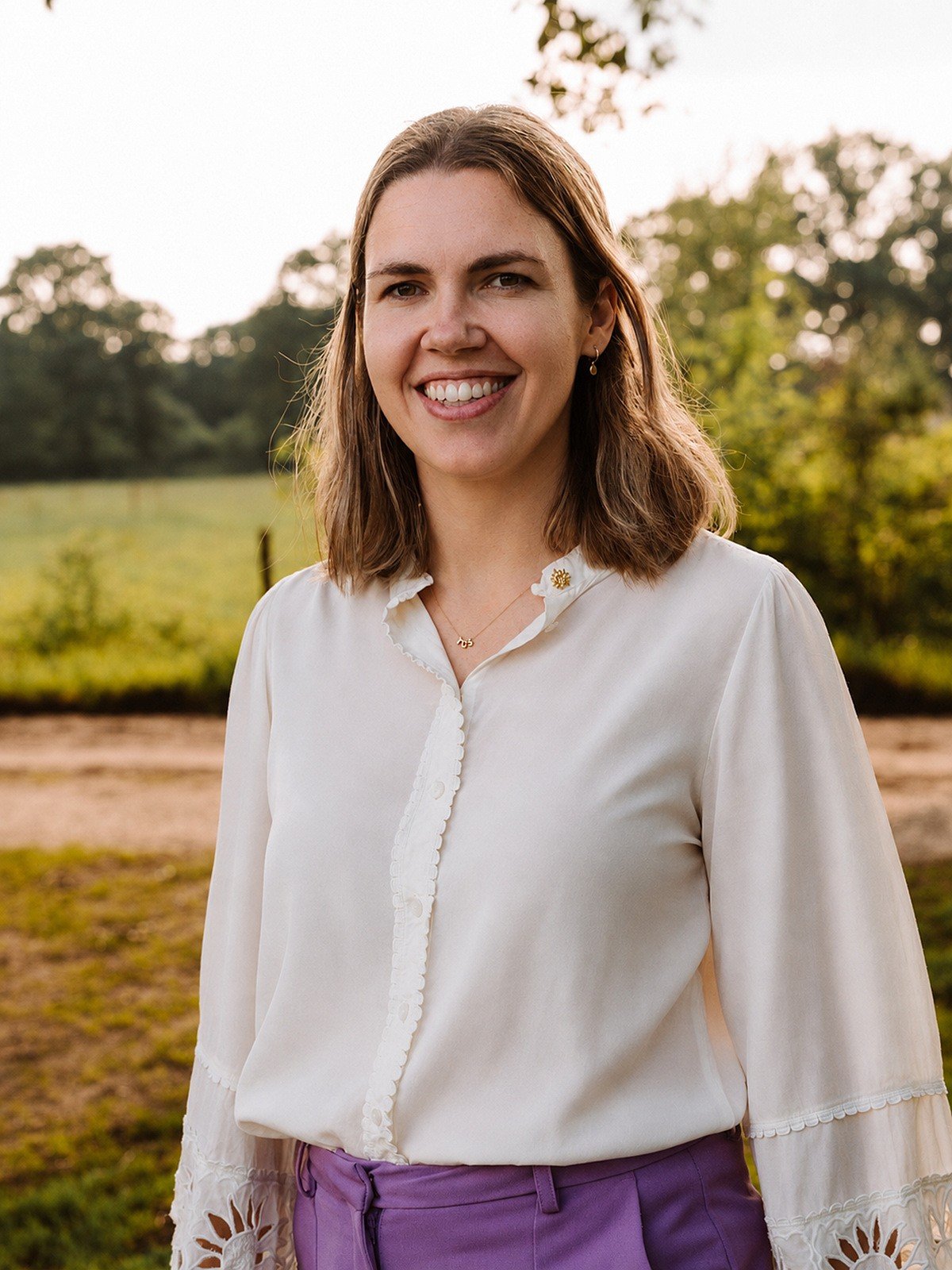
Bregje Boeting
Psychotherapist
In 2003 I graduated as a developmental psychologist from the University of Groningen. I then gained experience with a range of client groups at several mental health institutions and obtained my registration as a health care psychologist (GZ-psycholoog). In 2018 I obtained my registration as a psychotherapist, and in 2019 I started my own psychotherapy practice in Hilversum. Since February 2026 I have also been at SheVibes as a psychotherapist, lead clinician (regiebehandelaar) and work supervisor.
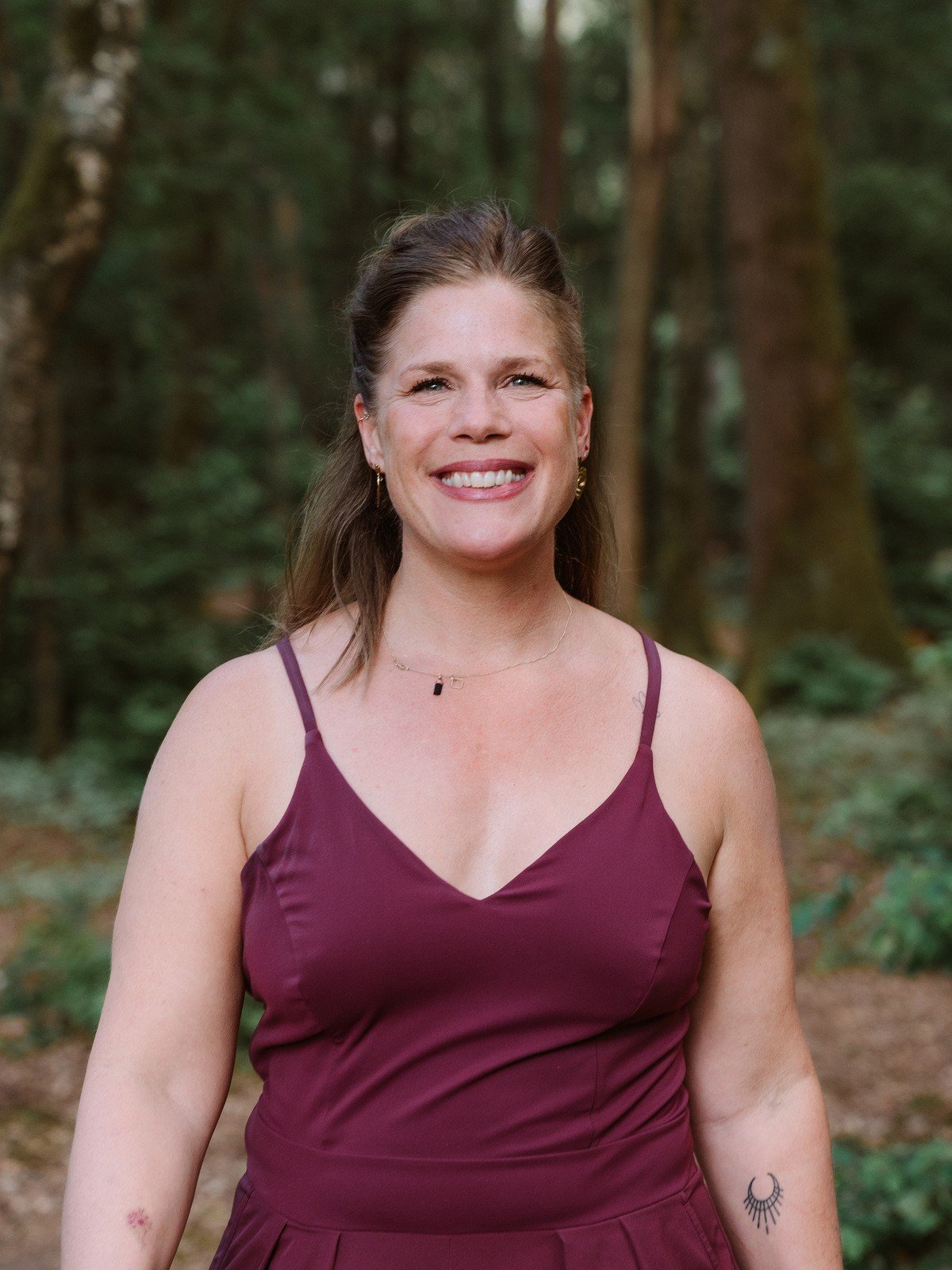
Over the past five years I have developed further in various forms of body-oriented work. Both in my personal growth and in my work as a psychotherapist, I have experienced how valuable it can be to pay attention to what is felt in the body, alongside talking and cognitive insight.
Talking can give insight. At the same time, experiences, emotions and patterns can also show up in the body. By involving the body in treatment, room can open up to recognise and understand these experiences better and to learn to deal with them differently.
As a therapist I offer a trusted, non-judgemental space where everything can be discussed openly. My treatments always start from increasing insight into the background and meaning of complaints, and strengthening coherence, self-confidence and connection with yourself and others.
I pay a lot of attention to the development you went through in childhood and later life, and to how experiences in relationships can influence how you experience yourself and others. Attachment and relational patterns play an important role in this. The contact between you and me within the treatment can also give valuable information about these patterns and offer a place for new experiences.
I see a safe therapeutic relationship as an important basis for treatment. We are relational beings, and earlier experiences in relationships can influence how we move in new ones. Within the therapeutic relationship there can therefore be room to recognise and explore patterns and, where it fits, to practise new ways of making contact and responding.
I regularly involve the body in treatment. I can use body-oriented interventions, attention to breathing and body awareness and, where it fits, music. My way of working is authentic, engaged and careful. I combine expertise with curiosity and attunement, and try to stand beside the client. I see myself as someone who supports, mirrors, offers structure and direction, and helps create safety and room to explore.
How I work
Depending on the request for help and the treatment goals, I use various methods and interventions in my treatments, including:
- IFS (Internal Family Systems);
- TFP (Transference-Focused Psychotherapy);
- EFT (Emotion-Focused Therapy);
- mindfulness and self-compassion;
- body-oriented interventions;
- interventions aimed at stress and emotion regulation.
I have also studied working from insights into the nervous system and polyvagal theory. I use these as an additional theoretical perspective in how I look at stress, safety and regulation.
Every time again, I find it special to see how people can develop more insight, freedom of choice and trust in themselves during treatment, and can experience more room for joy and connection.
Over the past year I have independently developed several group programmes. One of them is Unbound, a trauma-sensitive group programme that uses dance, movement and body-oriented exercises to work experientially on themes such as safety, connection and body awareness.
Outside work I am a mother of three children. Motherhood and life after a divorce have shaped me personally and further deepened my sensitivity to themes such as transition, resilience and relational dynamics.
In my free time I dance a lot and like to keep growing in different ways. I love music, drawing, yoga and nature. I also enjoy discovering new places and cities.