

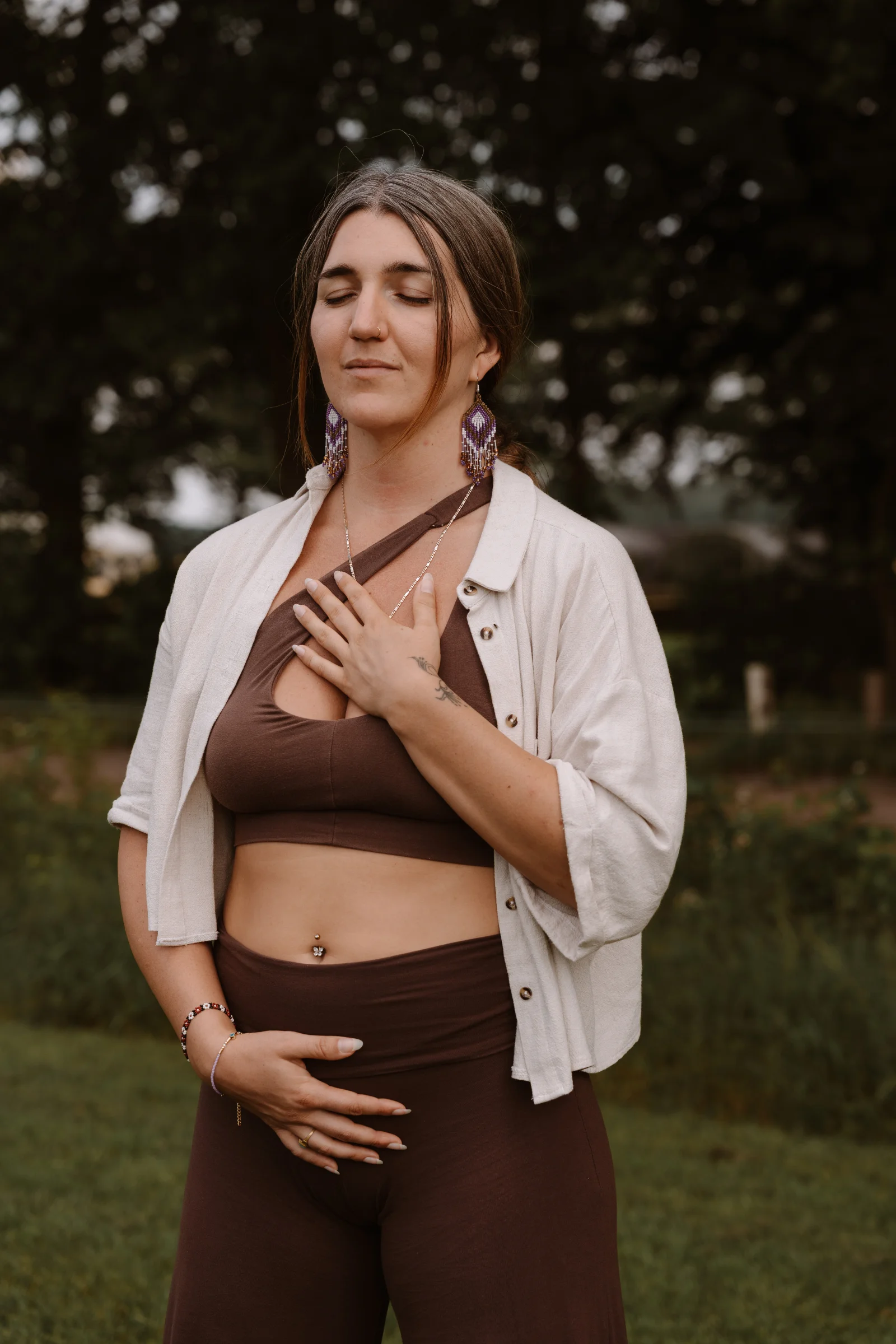

Why talking alone is sometimes not enough: body-oriented therapy explained
Plenty of insight but little change? Read why talking alone is sometimes not enough and how body-oriented therapy works in mental health care.
By Roos van der Burg7 minUpdated 7 August 2026

Understanding is not the same as feeling
Perhaps you recognise it: you already have a lot of insight. You know where your symptoms come from, you can explain your patterns flawlessly. And still little changes. That is not strange. Understanding happens in your head, but tension, fear and old alarm reactions also live in your body. That is why some symptoms need more than talking alone.
What is body-oriented therapy?
Body-oriented therapy is an umbrella term for forms of treatment that actively involve the body in recovery. In Dutch mental health care this includes, for example, psychomotor therapy (PMT), arts and movement therapies (vaktherapie), mindfulness-based interventions and sensorimotor exercises. You learn to notice tension and emotions earlier, you learn what calms your body, and you practise in the here and now with boundaries, taking up space and relaxing. At SheVibes we always use this as part of a broader treatment plan, alongside proven treatments such as CBT, EMDR and schema therapy. One does not replace the other; they reinforce each other.
Who is it valuable for?
Body-oriented work can add a lot when symptoms show strongly in the body (tension, restlessness, tiredness), when you find it hard to reach your feelings or are quickly overwhelmed, and with trauma, where the body often keeps reacting as if the danger is still there. With symptoms such as burn-out, anxiety or depression, too, it helps not only to learn to think differently, but also to learn to feel and relax differently.
What does that look like in practice?
Think of exercises with breathing and attention, learning to recognise where tension sits in your body, experimenting with posture and movement, and small exercises that help your nervous system settle. Nothing vague, but concrete and step by step, at a pace that feels safe.
Listen to the podcast episode
In the episode Van begrijpen naar voelen (From understanding to feeling), Roos explains why talking alone is not enough for many women, and what role the body plays in lasting change. Listen to the episode on Spotify (in Dutch) (opens in a new tab).
The first step
Curious whether this approach suits you? See our treatments or start your sign-up, and we will look together at what you need.
This information is a general explanation and does not replace personal advice from a practitioner. In an acute crisis, contact your GP, the out-of-hours GP service or 112. You can also call or chat with 113 Zelfmoordpreventie (suicide prevention) 24/7.
Does this sound familiar?
You don't have to figure it out alone.
At SheVibes we work with women on concerns like these, in basic and specialist mental health care. With a referral from your GP you can sign up; there's no waiting time right now, you start your intake and therapy right away.