



Condition
Grief and loss
Grief is love that stays, even when someone or something is no longer there.
Losing a loved one, a miscarriage, a separation or a future that turns out differently than you hoped can deeply affect your life. Grief has no fixed shape or timeline. When sadness disrupts your daily life for a long time, or comes together with depressive or trauma-related symptoms, professional help can be appropriate. At SheVibes there is room for your loss, and we treat the psychological symptoms connected to it.
 No waiting time: start right away
Does this sound familiar?
Signs you may recognise
You may recognise yourself in some of these signs. During the intake process we explore together what is going on for you and what support fits.
You long intensely for the person you lost, even a long time later
You cannot believe or accept the loss
You avoid everything that reminds you of the loss, or can think of nothing else
You feel empty, or as if part of you has gone too
You cannot manage to pick up your daily life again
Does this sound like you?
Start your sign-upMethods we use for this
- Cognitive behavioural therapy (CBT)Discover how thoughts, feelings and behaviour affect each other, and how you can break patterns that have got stuck.Read more
- EMDR therapyThe memory stays, but the pain you feel with it can ease.Read more
- Acceptance and Commitment Therapy (ACT)Make room for what you feel and for the life you want to lead.Read more
- Systemic interventionsThe relationships in your life influence how you feel and who you are.Read more
Practitioners
Who can help you with this
These practitioners work with the methods we use for this. When you sign up, we look at who suits you best.
 Daphne Hooft-ScholtenRemedial educationalist (orthopedagoog-generalist)
 Kim VlietstraHealth care psychologist (GZ-psycholoog)
 Hanneke SnetselaarHealth care psychologist (GZ-psycholoog)
 Heske OttevangerPsychologist (WO-psycholoog)
 Anoek HaanHealth care psychologist (GZ-psycholoog)
 Marloes WitteveenPsychologist (WO-psycholoog)
 Paola CroesHealth care psychologist (GZ-psycholoog)
 Anke WiersemaRemedial educationalist (WO-orthopedagoog)
 Elke MeiborgHealth care psychologist (GZ-psycholoog)
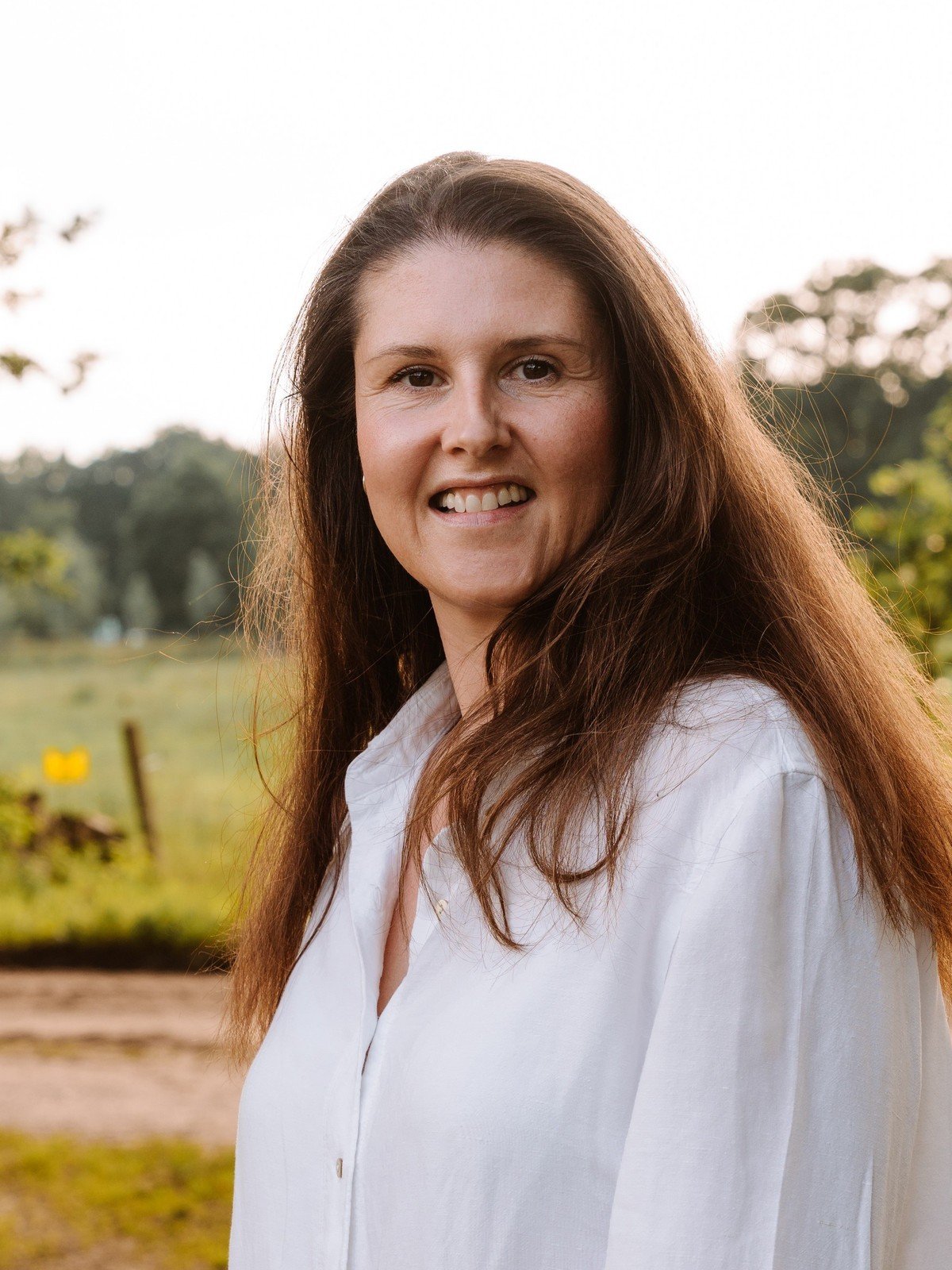 Tessa KardoesPsychologist (WO-psycholoog)
 Bregje BoetingPsychotherapist
 Lana van SpronsenSocial pedagogical care worker
What is grief?
Grief is a personal response to losing someone or something that meant a lot to you. You may feel sadness, anger, guilt, emptiness or physical tension. Feelings can alternate and come back unexpectedly. There is no set way you are supposed to grieve.
Loss is not only about death. A miscarriage, a separation, an unfulfilled wish for children, the loss of health or of a future you had pictured can also bring deep grief. You can also grieve for who you used to be, for parts of yourself you lost along the way, or for the life you were not able to live.
When grief gets stuck
Grief has no fixed timeline. Still, it can happen that sadness keeps dominating your life for a long time and you feel hardly any room to go on living. You can get stuck in intense feelings of sadness, longing or emptiness. Depressive or trauma-related symptoms can also develop, for example when the loss was sudden or overwhelming.
How we help you
At SheVibes we treat psychological symptoms connected to loss, such as depression, PTSD or long-lasting, disruptive grief. We look at the meaning of the loss, your emotions, earlier experiences and the effect on your daily life. With treatment methods such as CBT, ACT and, where it fits, EMDR, we support you in dealing with painful feelings, memories and recurring patterns. Body-oriented interventions can help to also pay attention to what you experience physically.
Need help right now? SheVibes is not a crisis service. Call your GP or the out-of-hours GP service, 112 in an emergency, or 113 Suicide Prevention free and 24/7 on 0800-0113.
Frequently asked questions
Questions about Grief and loss
Can't find your question? We're happy to help.
Further reading


Sources
This page is based on the Dutch mental health care standards and guidelines, and on how we work at SheVibes.
Updated on 19 november 2026