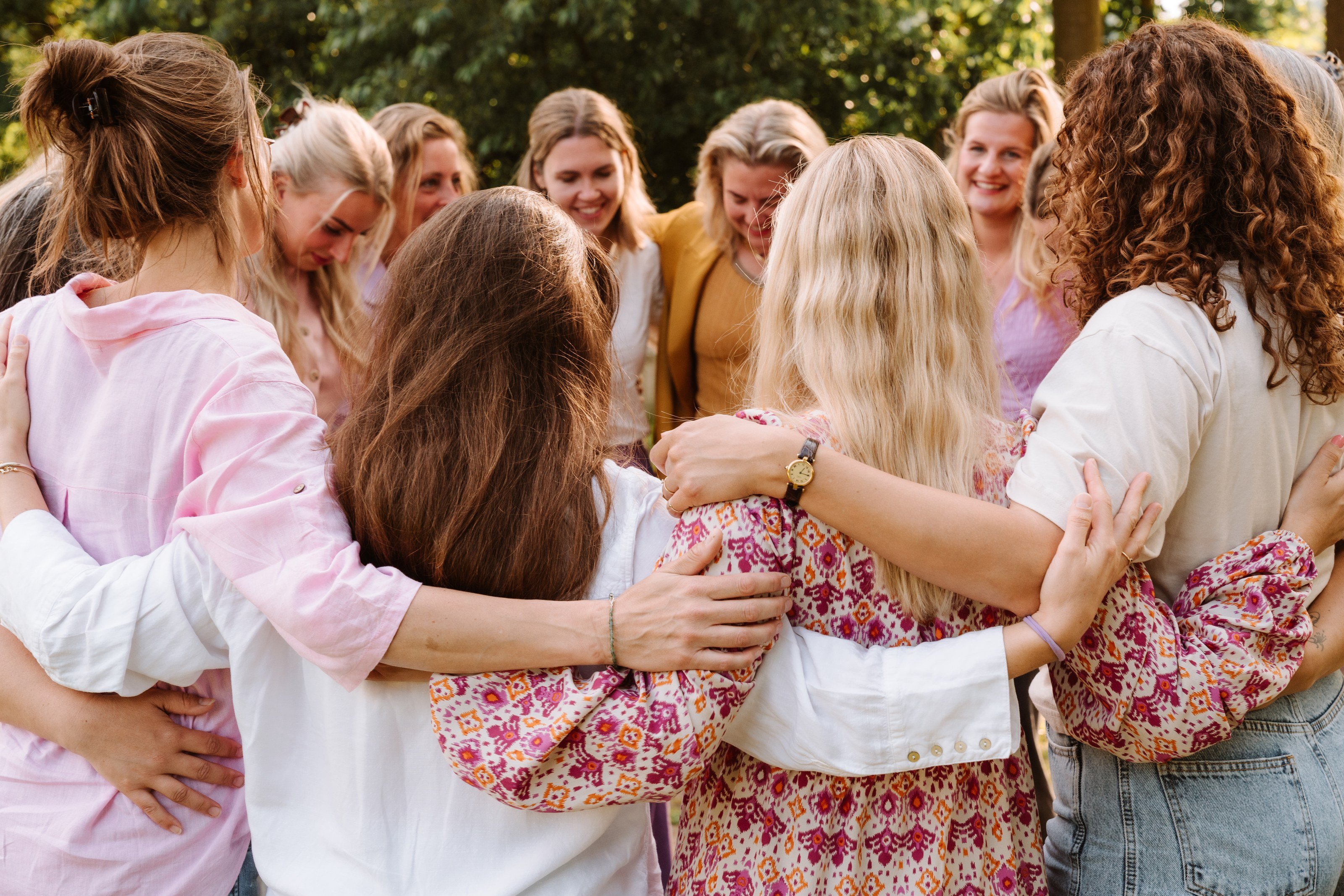

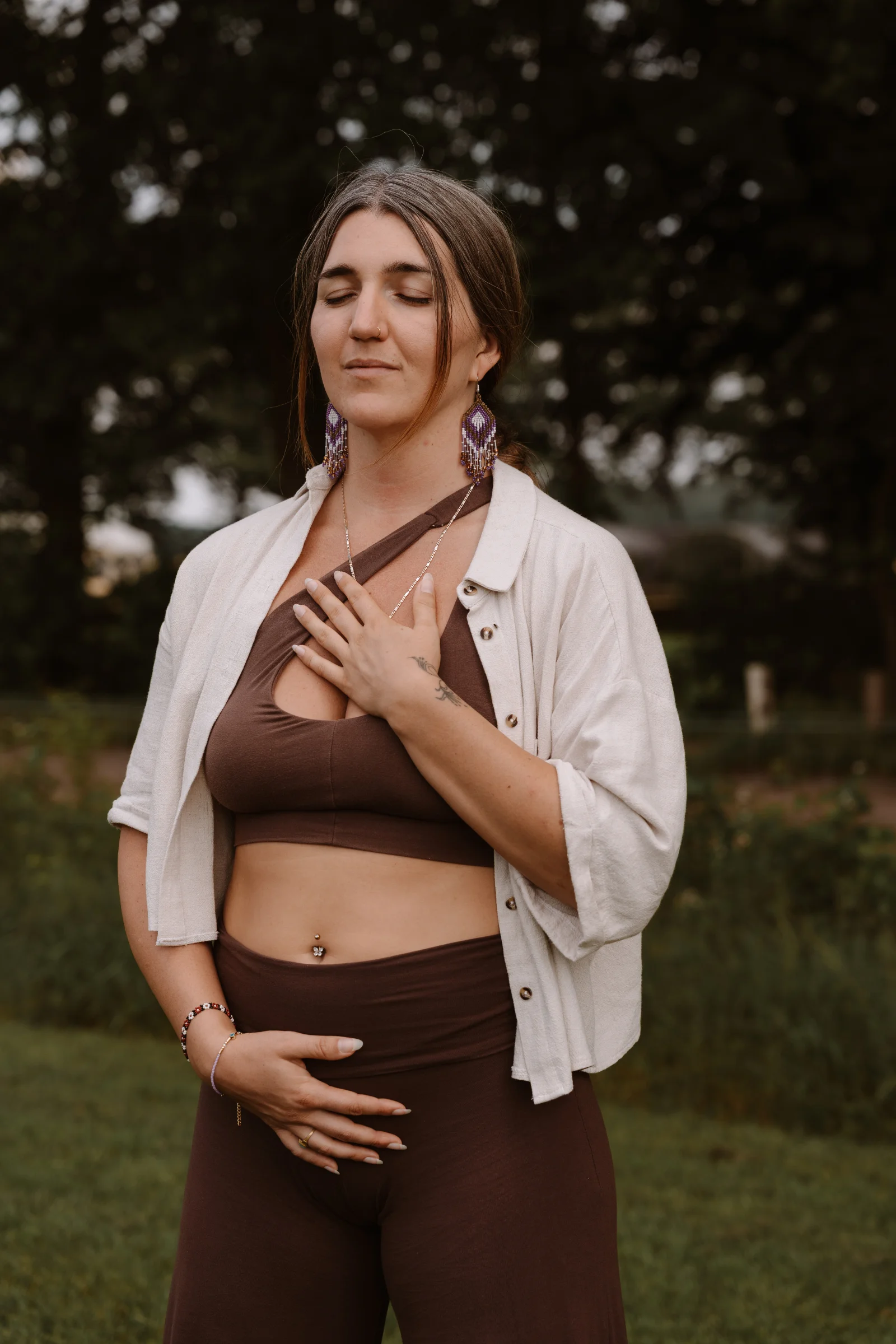

Why joy can feel scary (and how glimmers help)
Does joy feel scary or unsafe? Read why your system sometimes blocks the good after trauma, and how glimmers help you let pleasure in again.
By Roos van der Burg6 minUpdated 7 August 2026

When the good feels unfamiliar
We talk a lot about pain, sadness and fear. But there is one emotion we hardly ever talk about, even though for many women it is at least as complicated: joy. Brushing off a compliment. Not really celebrating a success. Holding back when you actually want to laugh or dance. Or that quiet, gnawing feeling as soon as things go well: when will it go wrong? If you recognise this, you are not ungrateful or negative. There is a logical explanation.
Why your system sometimes blocks joy
If you grew up with unpredictability, your nervous system learned a hard lesson: relaxing is dangerous, because that was exactly when the blow came. Whoever was happy was ridiculed or had to give something up again. Your system learned: keep small, stay alert, do not celebrate too soon. Years later you still do it, even when the danger is long gone. Joy then literally feels unsafe: vulnerable, open, unprotected. That is not a character flaw. It is a survival strategy that does its job too well.
What are glimmers?
The opposite of triggers, signals that switch on your alarm system, are glimmers: micro-moments that your nervous system registers as safe and good. Sunlight through the window. The smell of coffee. A song that touches you. The laugh of someone you love. Glimmers are small and free, and that is exactly what makes them powerful: in tiny steps they teach your system that safety and pleasure exist, here and now. The more often you notice them consciously, the more your nervous system gets used to the good.
Learning to let joy in again
Start small. Notice one glimmer a day and stay with it for three breaths, instead of moving straight on. Celebrate small successes out loud, even if it feels uncomfortable. And if sadness comes up along with joy, for all the years in which there was little room for lightness, know this: that belongs to it. Grief and joy often travel together. Recovery is not only about feeling what hurt, but also about daring to feel what is beautiful again.
Listen to the podcast episode
In the episode Blijdschap (Joy), Roos takes you into this theme: why joy is not a given for many women, and how you can make room again for pleasure, play and lightness through your body and nervous system. Listen to the episode on Spotify (in Dutch) (opens in a new tab).
The first step
Do you notice that the good is not allowed to come close, however much you want it? You can work on that, at a pace that feels safe. Start your sign-up with SheVibes and we will look at it together with you.
This information is a general explanation and does not replace personal advice from a practitioner. In an acute crisis, contact your GP, the out-of-hours GP service or 112. You can also call or chat with 113 Zelfmoordpreventie (suicide prevention) 24/7.
Does this sound familiar?
You don't have to figure it out alone.
At SheVibes we work with women on concerns like these, in basic and specialist mental health care. With a referral from your GP you can sign up; there's no waiting time right now, you start your intake and therapy right away.