

Condition
Identity and self-image
Who are you, when you are not busy with what others ask of you?
You know exactly what others need, but no longer what you want yourself. You say yes while you feel no. You adapt, care for others and drift further and further away from yourself. Perhaps you wonder who you really are, apart from all the expectations and roles. At SheVibes we explore how these patterns came about and how you can reconnect with yourself.
 No waiting time: start right away
Does this sound familiar?
Signs you may recognise
You may recognise yourself in some of these signs. During the intake process we explore together what is going on for you and what support fits.
You are critical of yourself and rarely find yourself good enough
You adapt to others and lose yourself in the process
You find it hard to set boundaries or say no
You do not really know what you want or who you are outside your roles
You are stuck in a new stage of life, such as young adulthood, motherhood, a career change or the menopause
Does this sound like you?
Start your sign-upMethods we use for this
- Schema therapyWhat you learned back then does not have to decide how you live today.Read more
- Acceptance and Commitment Therapy (ACT)Make room for what you feel and for the life you want to lead.Read more
- Systemic interventionsThe relationships in your life influence how you feel and who you are.Read more
Practitioners
Who can help you with this
These practitioners work with the methods we use for this. When you sign up, we look at who suits you best.
 Daphne Hooft-ScholtenRemedial educationalist (orthopedagoog-generalist)
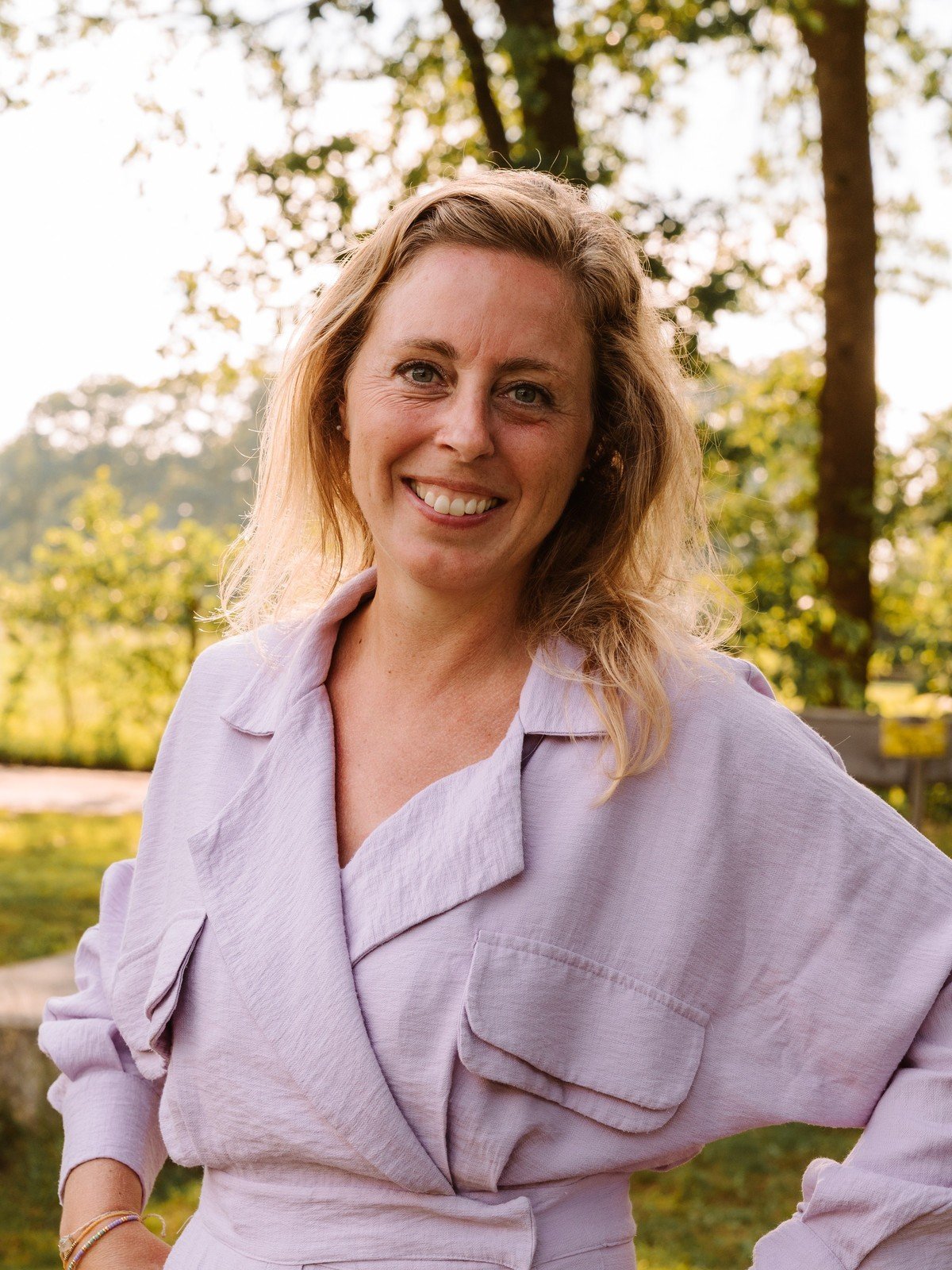 Kim VlietstraHealth care psychologist (GZ-psycholoog)
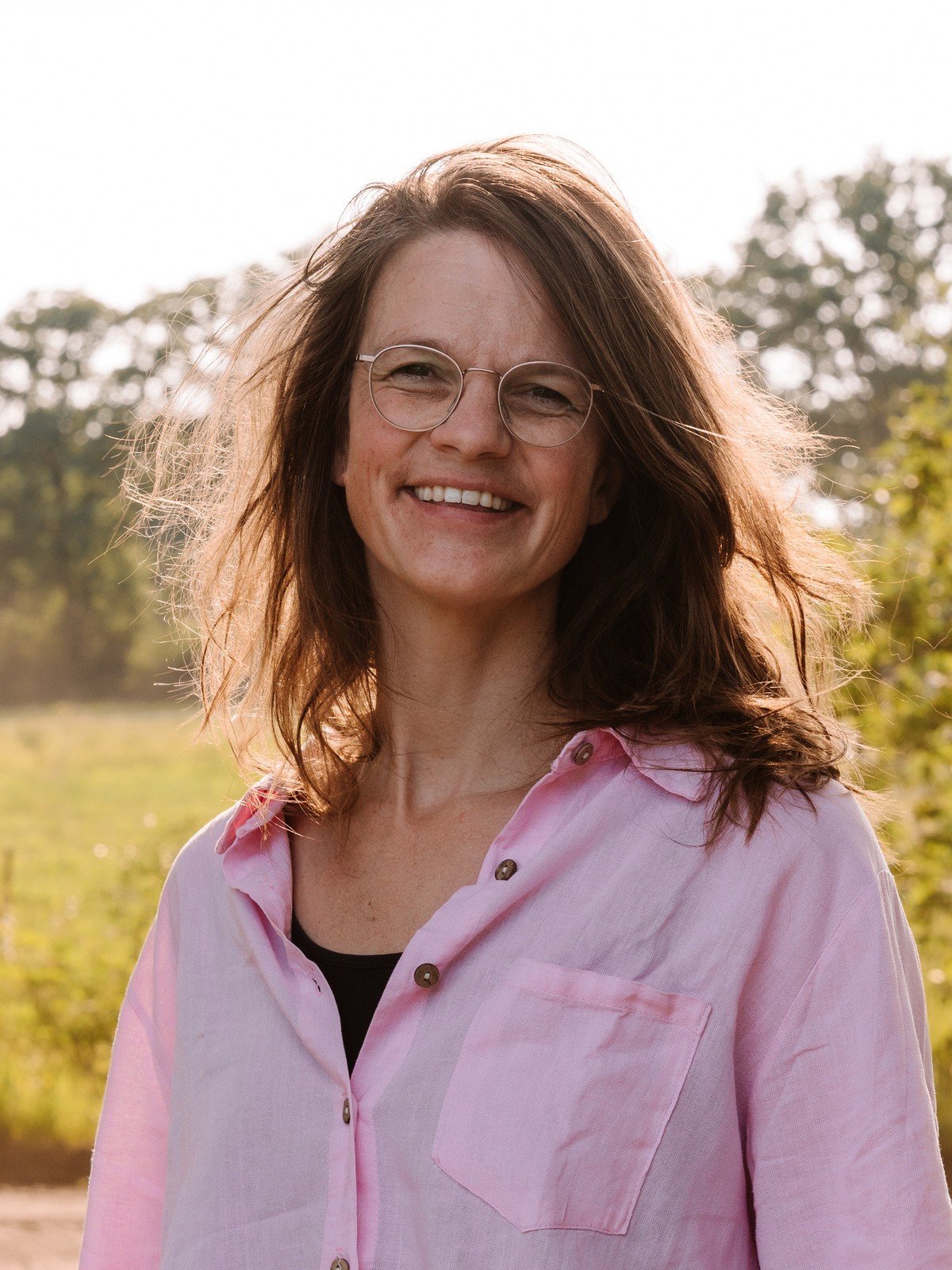 Hanneke SnetselaarHealth care psychologist (GZ-psycholoog)
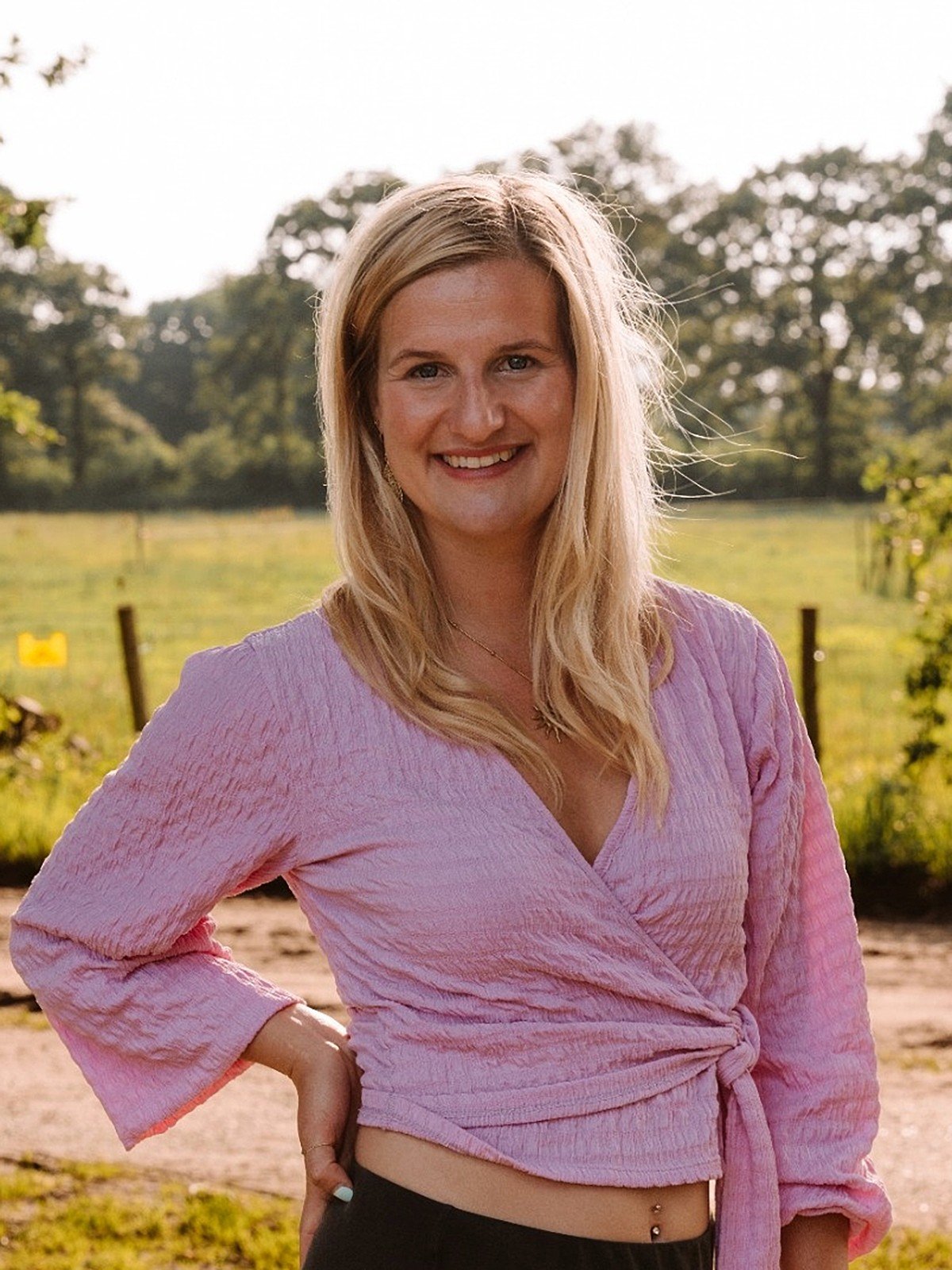 Anoek HaanHealth care psychologist (GZ-psycholoog)
 Paola CroesHealth care psychologist (GZ-psycholoog)
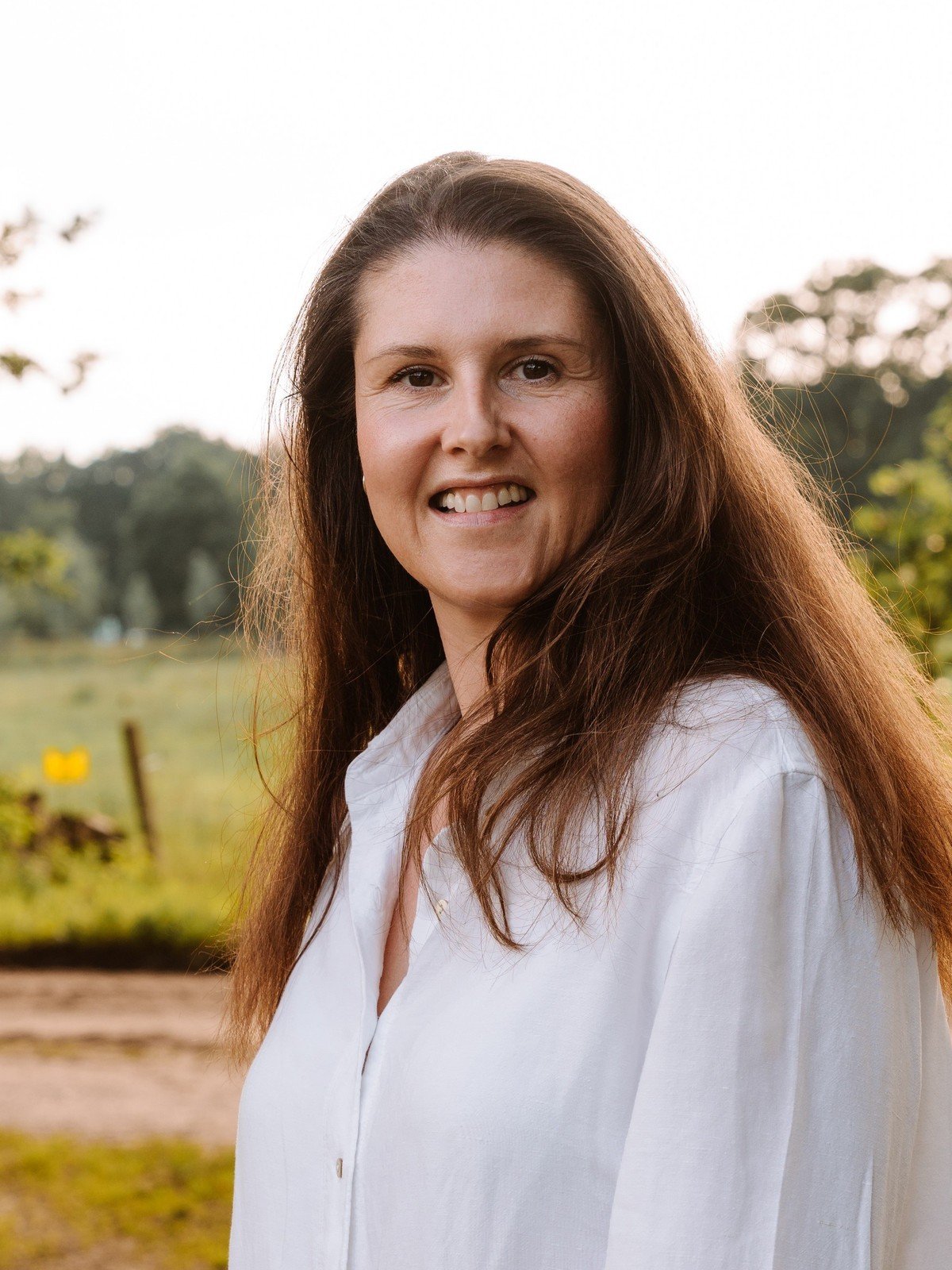 Tessa KardoesPsychologist (WO-psycholoog)
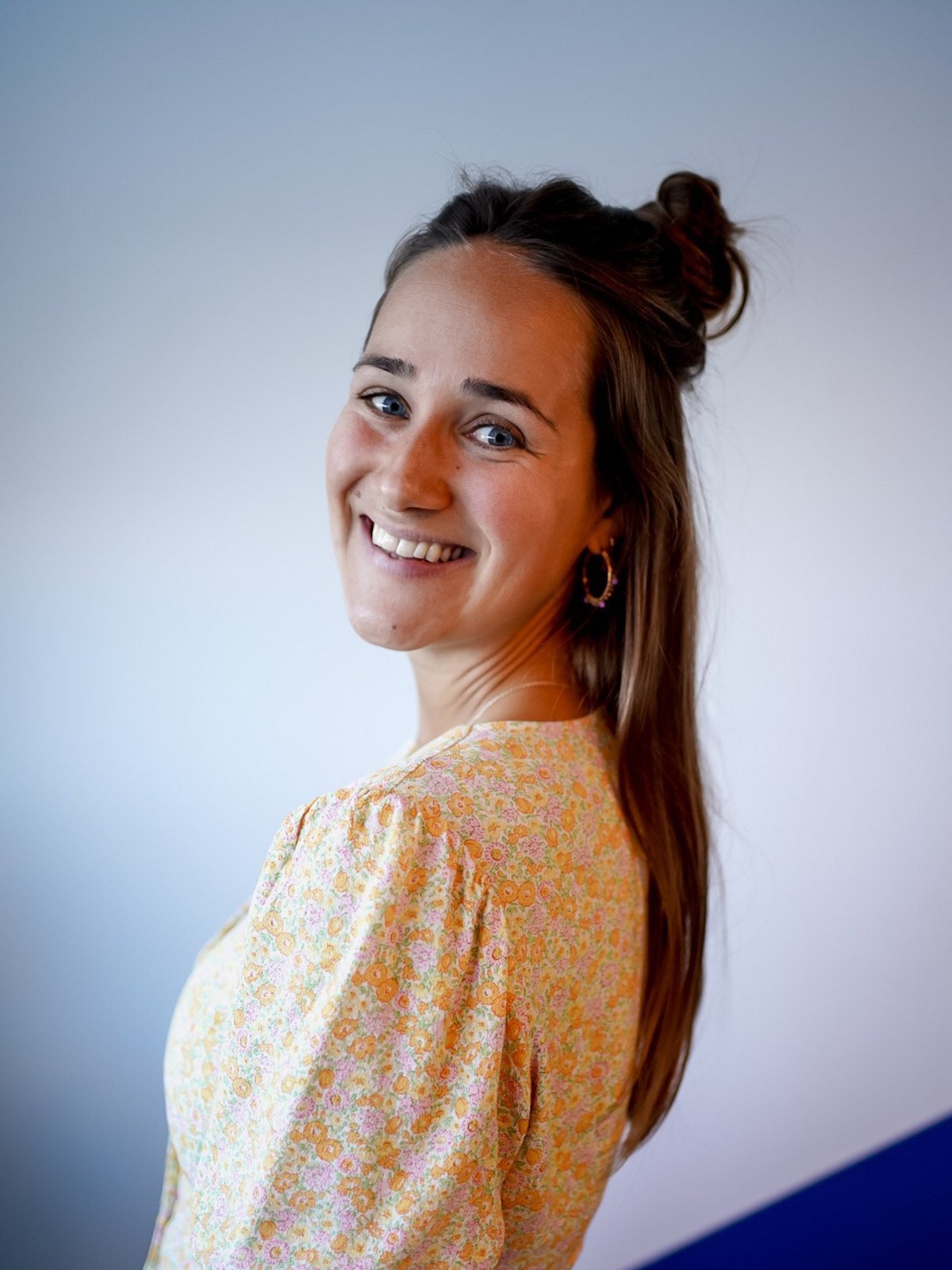 Anke WiersemaRemedial educationalist (WO-orthopedagoog)
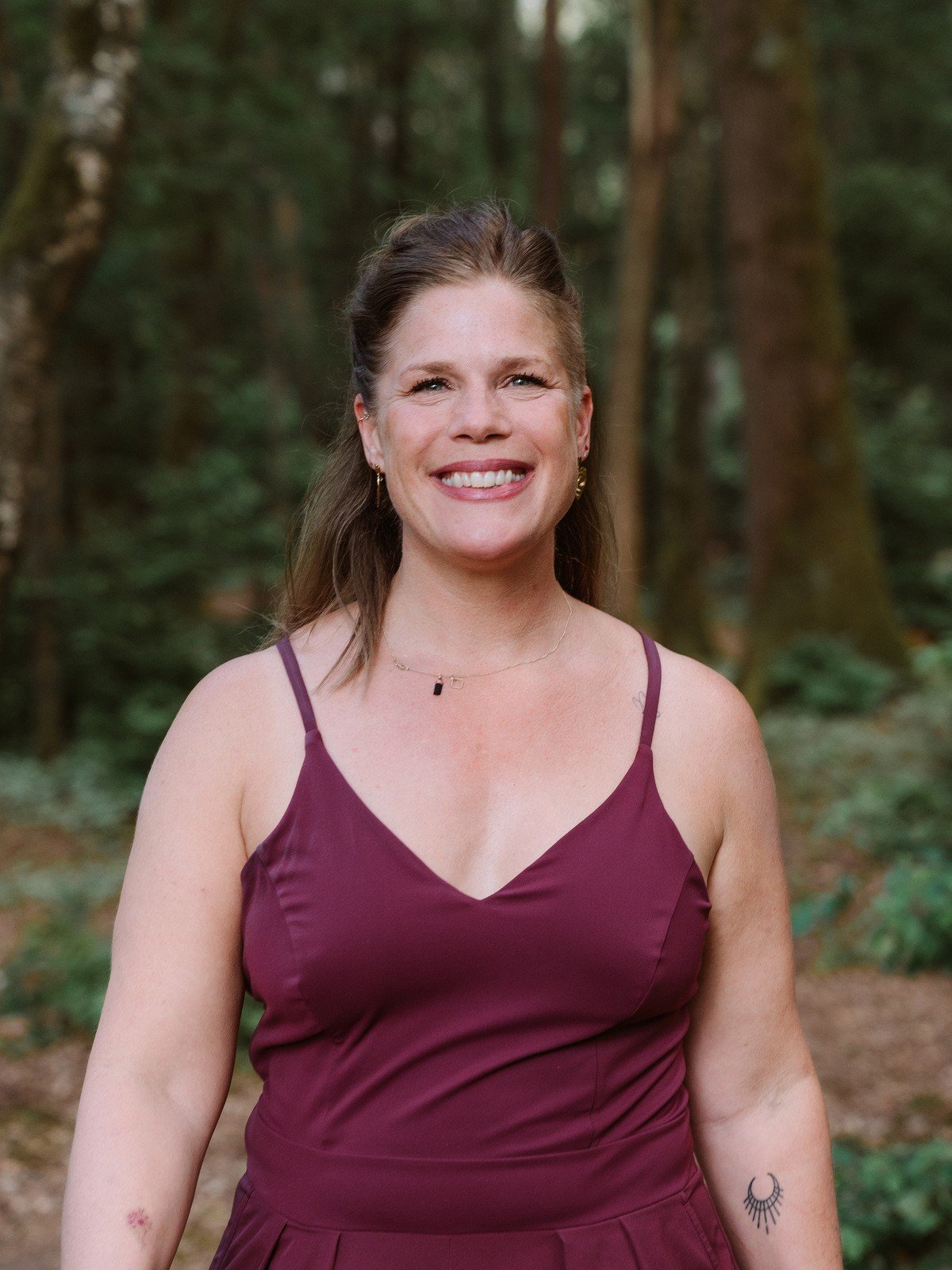 Bregje BoetingPsychotherapist
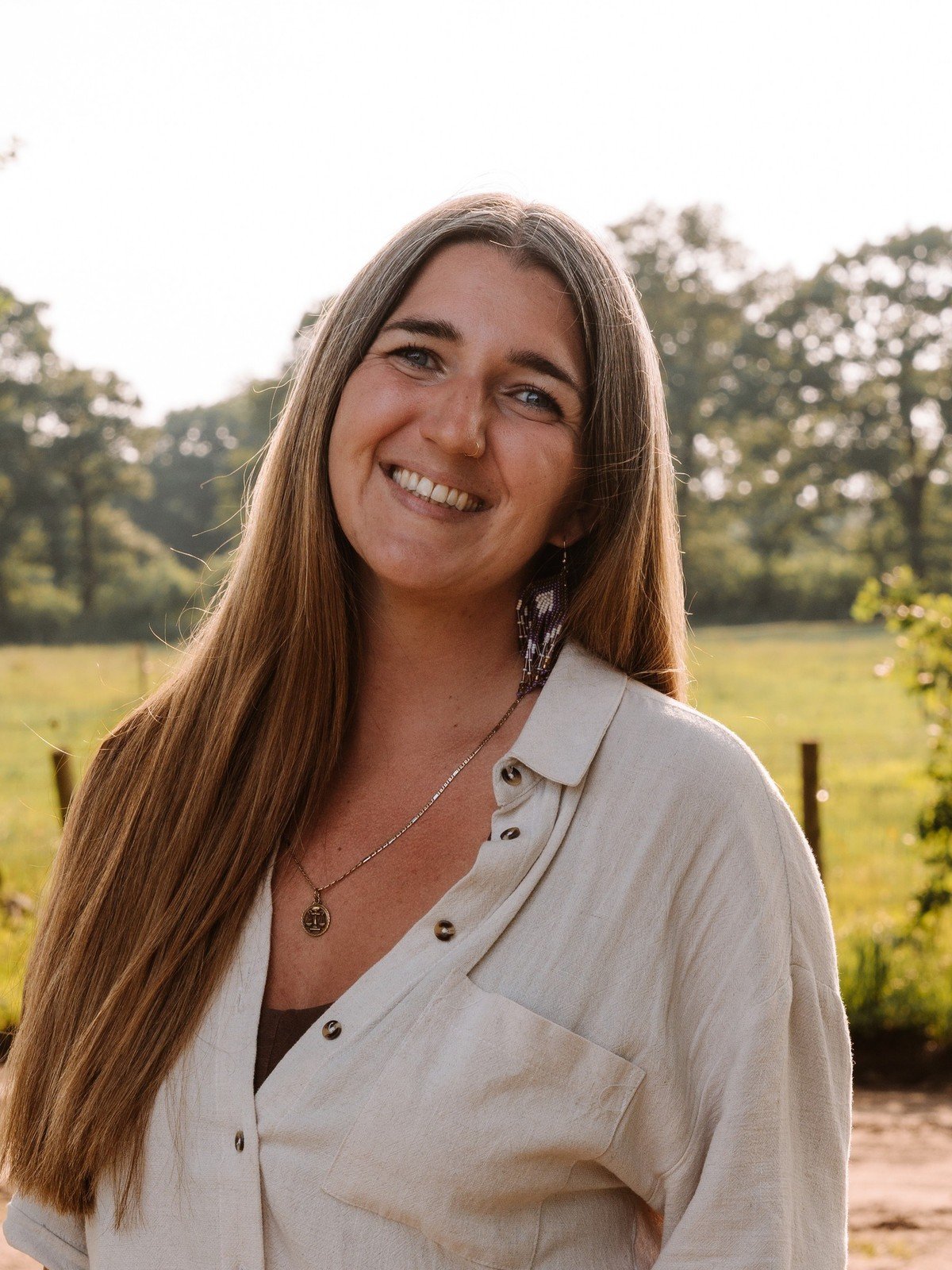 Lana van SpronsenSocial pedagogical care worker
How you see yourself
Your self-image is about how you look at yourself, what you believe about yourself and how much room you feel to be yourself. It is shaped by your experiences, relationships and the messages you receive throughout your life. If, for example, you learned that you are mainly valued when you care for others or meet expectations, it can become hard to take your own needs seriously. That is how beliefs can form that affect your relationships, choices and sense of self-worth.
Identity in women
Many women learn early on to take others into account, adapt and carry responsibility. The experiences you have in childhood, the relationships you grow up in and the way you learned to connect play an important part in how your identity and self-image develop.
In young adulthood, too, you are busy discovering who you are, what matters to you and how you want to relate to others. Later, stages of life such as motherhood, a separation, changes in your career or the menopause can raise questions about your identity again. Who are you, apart from the roles you fill and the expectations of others?
How we help you
At SheVibes we explore how your self-image and patterns came about, with attention for your childhood, attachment, earlier experiences and the influence of relationships. With schema therapy you learn to recognise beliefs such as “I'm not good enough” or “my needs don't matter”. ACT helps you discover what matters to you and make choices that fit it.
Where it fits, we also work with body-oriented interventions. You learn to recognise better what you feel, where your boundaries lie and what signals your body gives. That makes room not only to understand what you need, but also to actually experience it.
What can change
A stronger self-image does not mean you never doubt yourself or feel unsure again. It means you come to understand yourself better, take your needs seriously and depend less on the expectations of others. You learn to recognise your boundaries, trust what you feel and more and more often make choices that fit who you are.
Need help right now? SheVibes is not a crisis service. Call your GP or the out-of-hours GP service, 112 in an emergency, or 113 Suicide Prevention free and 24/7 on 0800-0113.
Frequently asked questions
Questions about Identity and self-image
Can't find your question? We're happy to help.
Further reading

Sources
This page is based on the Dutch mental health care standards and guidelines, and on how we work at SheVibes.
Updated on 19 november 2026