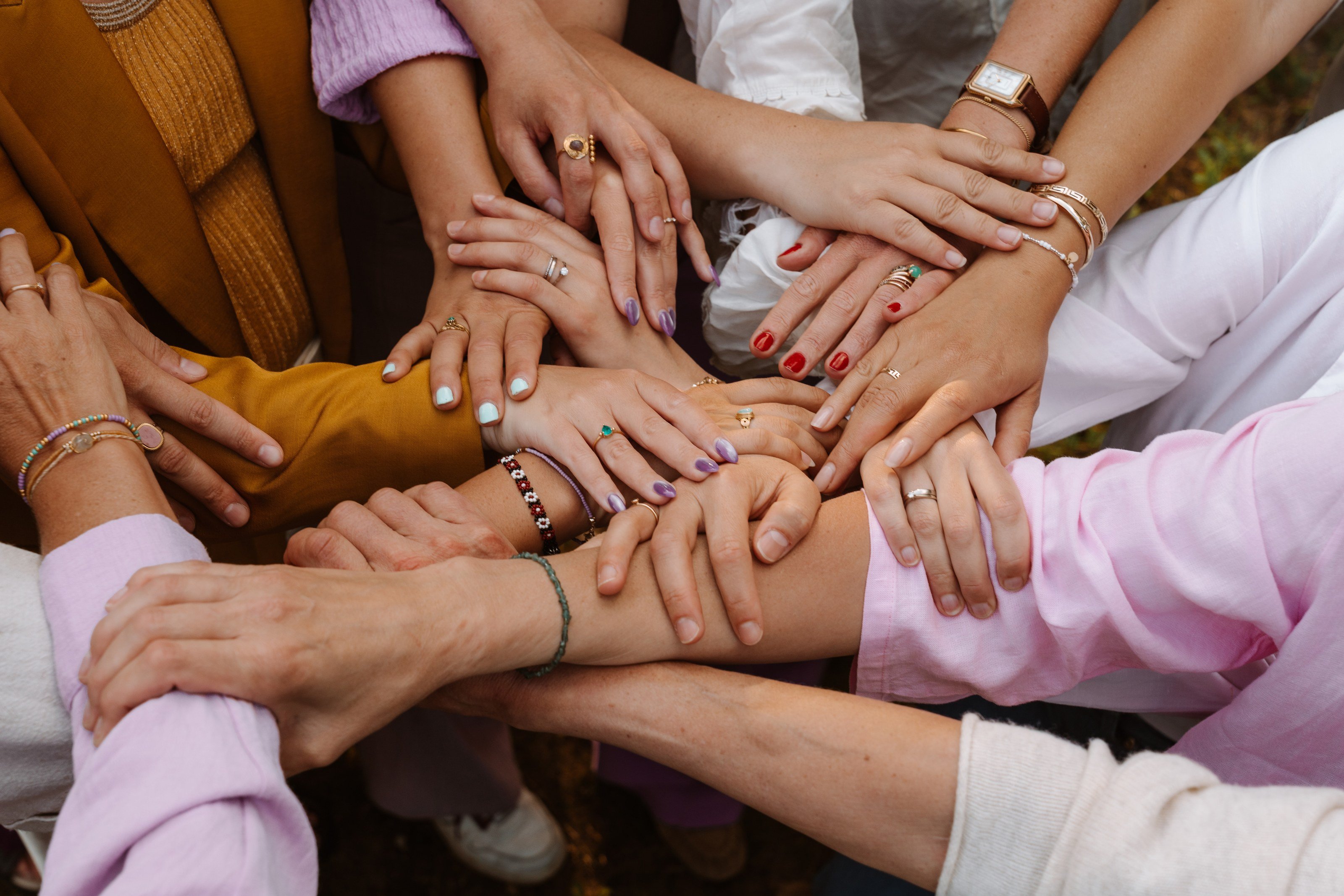



Reparenting: giving yourself the upbringing you needed
Reparenting: giving yourself, after all, the care and upbringing you needed as a child. Read what this phase of recovery looks like and what helps.
By Roos van der Burg6 minUpdated 7 August 2026
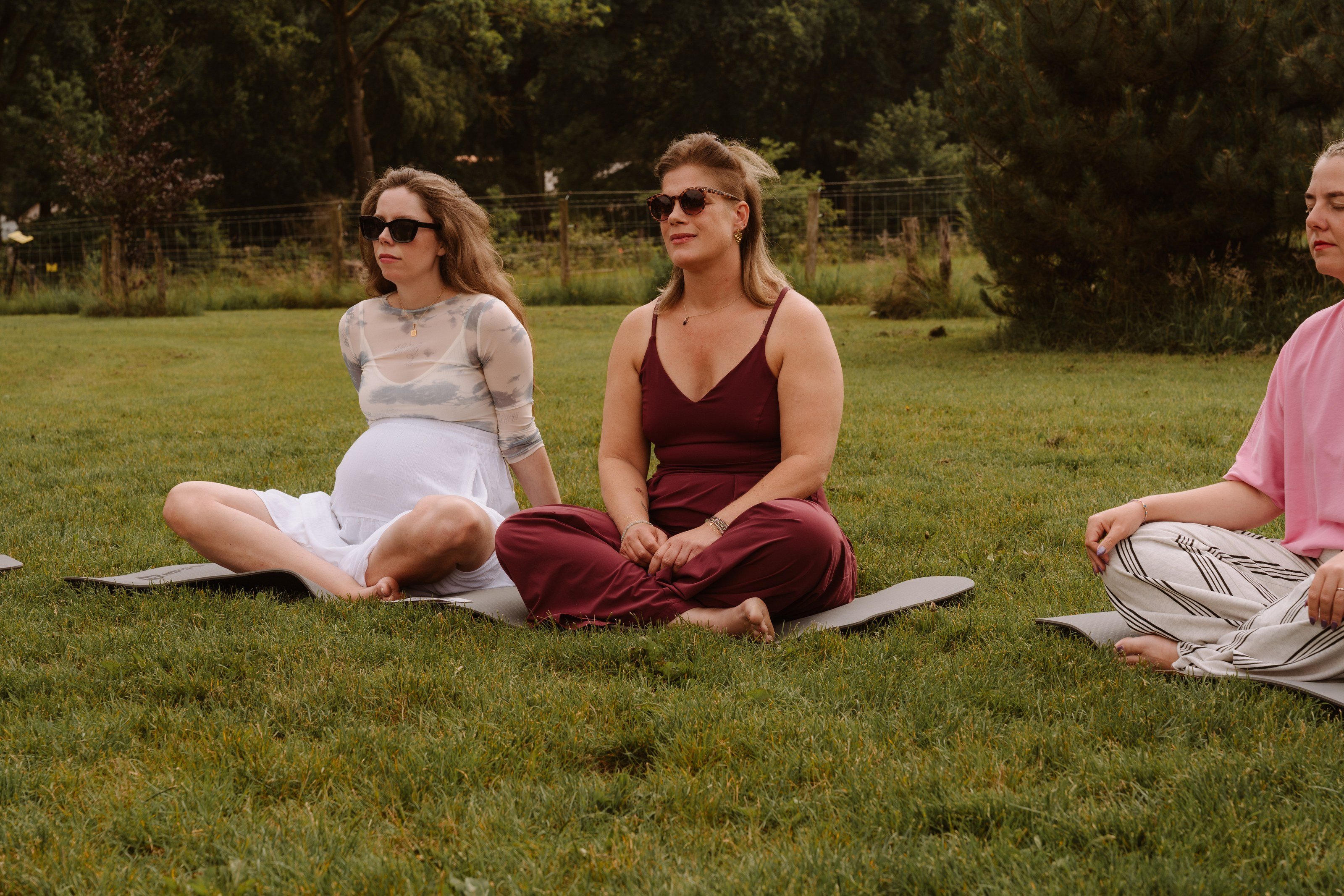
The phase after processing
Recovery is not only about processing trauma and feeling what had no room for years. There is also a phase after that, and we talk about it far too little: the phase in which room slowly opens up for the new. For healthy habits. For relationships that are good for you. For discovering who you actually are, apart from old survival patterns.
What is reparenting?
Reparenting literally means: raising yourself again. As a child you learn from the people who raise you how to look after yourself, how to comfort yourself, how to set boundaries and how to deal with emotions. If that foundation was missing, or only partly there, you notice it as an adult: you do not really know what you need, you look after yourself poorly, or you find it hard to build rhythm, rest and healthy relationships. Reparenting is learning those skills after all, with yourself in the role of the caring adult.
How confronting this can be
Many women only realise in this phase how much they did not learn back then. That realisation can be raw and bring up sadness, grief for what was not there. That sadness belongs to it and is allowed. At the same time, this is also the phase in which life grows bigger: you are building something new, instead of only repairing the old.
What does reparenting look like in practice?
Small and concrete. Going to bed on time because your rest matters. Eating at regular times. Speaking kindly to yourself when something does not work out. Comforting yourself instead of judging. Saying no to what drains you and yes to what nourishes you. In therapy, for example within schema therapy, we work on this in a focused way: you learn to recognise the strict or neglecting voice inside and replace it with a caring one.
Listen to the podcast episode
In the episode Je tweede opvoeding (Your second upbringing), Roos takes you into this last phase of recovery: how you make room for the new and how you learn to raise yourself again. Listen to the episode on Spotify (in Dutch) (opens in a new tab).
The first step
Would you like to work on this together, with support that fits your story? Start your sign-up with SheVibes.
This information is a general explanation and does not replace personal advice from a practitioner. In an acute crisis, contact your GP, the out-of-hours GP service or 112. You can also call or chat with 113 Zelfmoordpreventie (suicide prevention) 24/7.
Does this sound familiar?
You don't have to figure it out alone.
At SheVibes we work with women on concerns like these, in basic and specialist mental health care. With a referral from your GP you can sign up; there's no waiting time right now, you start your intake and therapy right away.