



Condition
Sleep problems
You cannot force sleep. You can learn to let your system come to rest again.
You lie awake with a head full of thoughts. Or you do fall asleep, but wake up wide awake in the middle of the night. Your body stays alert, while you long so much for rest. Sleep problems can be connected to stress, anxiety, low mood or distressing experiences. At SheVibes we treat the psychological symptoms connected to them, with attention for what your body and mind need to come to rest again.
 No waiting time: start right away
Does this sound familiar?
Signs you may recognise
You may recognise yourself in some of these signs. During the intake process we explore together what is going on for you and what support fits.
You lie awake for a long time before falling asleep
You wake up at night or very early and cannot get back to sleep
You lie worrying or your heart races when you want to sleep
You are tired, irritable or find it hard to concentrate during the day
You dread the night before it has even begun
Does this sound like you?
Start your sign-upMethods we use for this
- Cognitive behavioural therapy (CBT)Discover how thoughts, feelings and behaviour affect each other, and how you can break patterns that have got stuck.Read more
- Body-oriented interventionsYour body tells what words cannot always express.Read more
- Acceptance and Commitment Therapy (ACT)Make room for what you feel and for the life you want to lead.Read more
Practitioners
Who can help you with this
These practitioners work with the methods we use for this. When you sign up, we look at who suits you best.
 Daphne Hooft-ScholtenRemedial educationalist (orthopedagoog-generalist)
 Kim VlietstraHealth care psychologist (GZ-psycholoog)
 Hanneke SnetselaarHealth care psychologist (GZ-psycholoog)
 Heske OttevangerPsychologist (WO-psycholoog)
 Anoek HaanHealth care psychologist (GZ-psycholoog)
 Marloes WitteveenPsychologist (WO-psycholoog)
 Paola CroesHealth care psychologist (GZ-psycholoog)
 Anke WiersemaRemedial educationalist (WO-orthopedagoog)
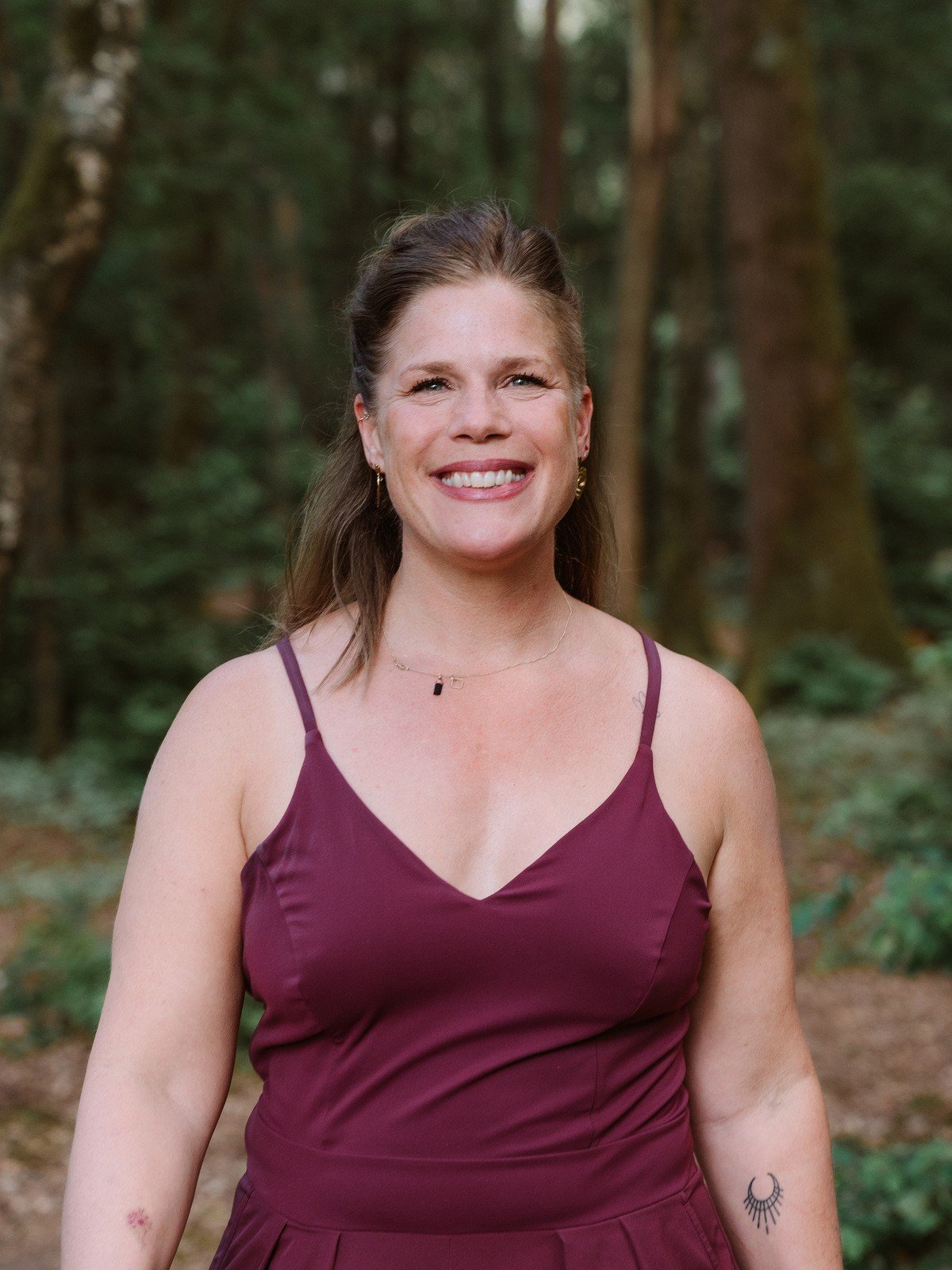 Bregje BoetingPsychotherapist
 Lana van SpronsenSocial pedagogical care worker
 Tessa KardoesPsychologist (WO-psycholoog)
Sleep and your mind
Sleep and mental health affect each other all the time. Stress, worrying and emotional tension can make it hard to fall asleep or stay asleep. At the same time, lack of sleep can make you more sensitive to stimuli, emotions and stress.
When you have lived through long-lasting lack of safety or distressing events, your body can stay alert at night too. You wake more easily, sleep restlessly or have nightmares. That way tension and sleep problems can keep reinforcing each other.
Sleep in women
Women experience sleep problems relatively often. Hormonal changes around your period, pregnancy and the menopause can play a part. Mental load, caring tasks and long-lasting stress also affect your night's rest. When you are constantly busy during the day with what others need, it can be hard to come to rest yourself in the evening.
How we help you
At SheVibes we treat psychological symptoms such as anxiety, depression and trauma, and we also pay attention to your sleep problems. We explore which thoughts, emotions, experiences and patterns contribute to the tension you feel. We work with evidence-based treatment methods such as CBT and ACT, where it fits alongside body-oriented interventions. That way you learn to recognise signs of tension and there is more room for rest and recovery.
When the underlying psychological symptoms ease, your sleep can improve too.
Need help right now? SheVibes is not a crisis service. Call your GP or the out-of-hours GP service, 112 in an emergency, or 113 Suicide Prevention free and 24/7 on 0800-0113.
Frequently asked questions
Questions about Sleep problems
Can't find your question? We're happy to help.
Further reading


Sources
This page is based on the Dutch mental health care standards and guidelines, and on how we work at SheVibes.
Updated on 19 november 2026