

Condition
Low mood and depression
When everything feels heavy, you don't have to get through it alone.
You feel tired, even after a night's sleep. Things you used to enjoy barely touch you any more. Everything takes energy and perhaps you no longer recognise yourself. At SheVibes we look together at what lies behind your low mood. With personal, integrative treatment from women practitioners, fully online.
 No waiting time: start right away
Does this sound familiar?
Signs you may recognise
You may recognise yourself in some of these signs. During the intake process we explore together what is going on for you and what support fits.
You feel low or empty, most days
You no longer feel like doing anything, not even things you used to enjoy
You are tired, sleep badly or sleep a great deal
You find it hard to concentrate and doubt yourself a lot
You feel guilty, worthless or like a burden to others
Does this sound like you?
Start your sign-upMethods we use for this
- Cognitive behavioural therapy (CBT)Discover how thoughts, feelings and behaviour affect each other, and how you can break patterns that have got stuck.Read more
- Acceptance and Commitment Therapy (ACT)Make room for what you feel and for the life you want to lead.Read more
- Schema therapyWhat you learned back then does not have to decide how you live today.Read more
Practitioners
Who can help you with this
These practitioners work with the methods we use for this. When you sign up, we look at who suits you best.
 Daphne Hooft-ScholtenRemedial educationalist (orthopedagoog-generalist)
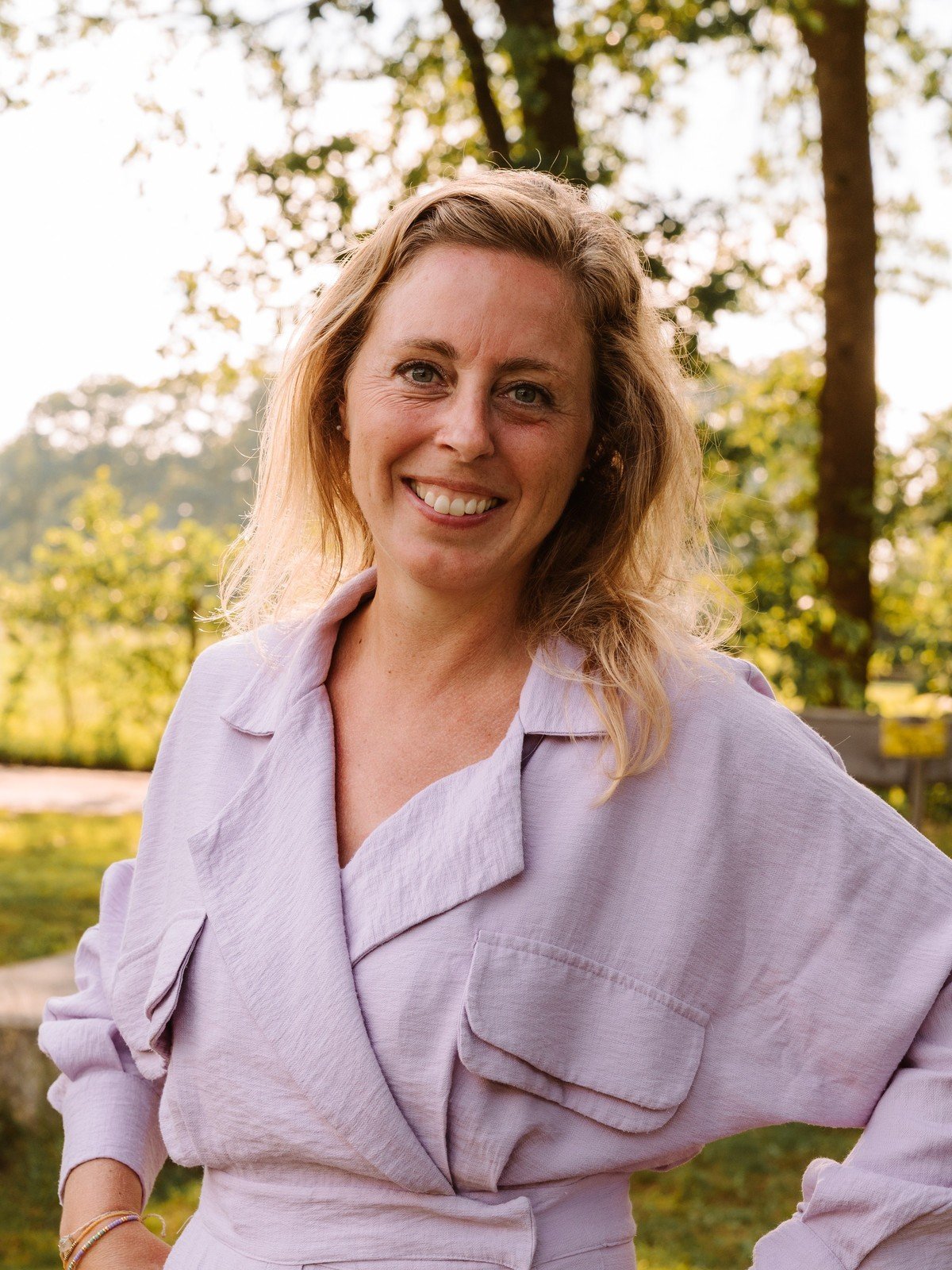 Kim VlietstraHealth care psychologist (GZ-psycholoog)
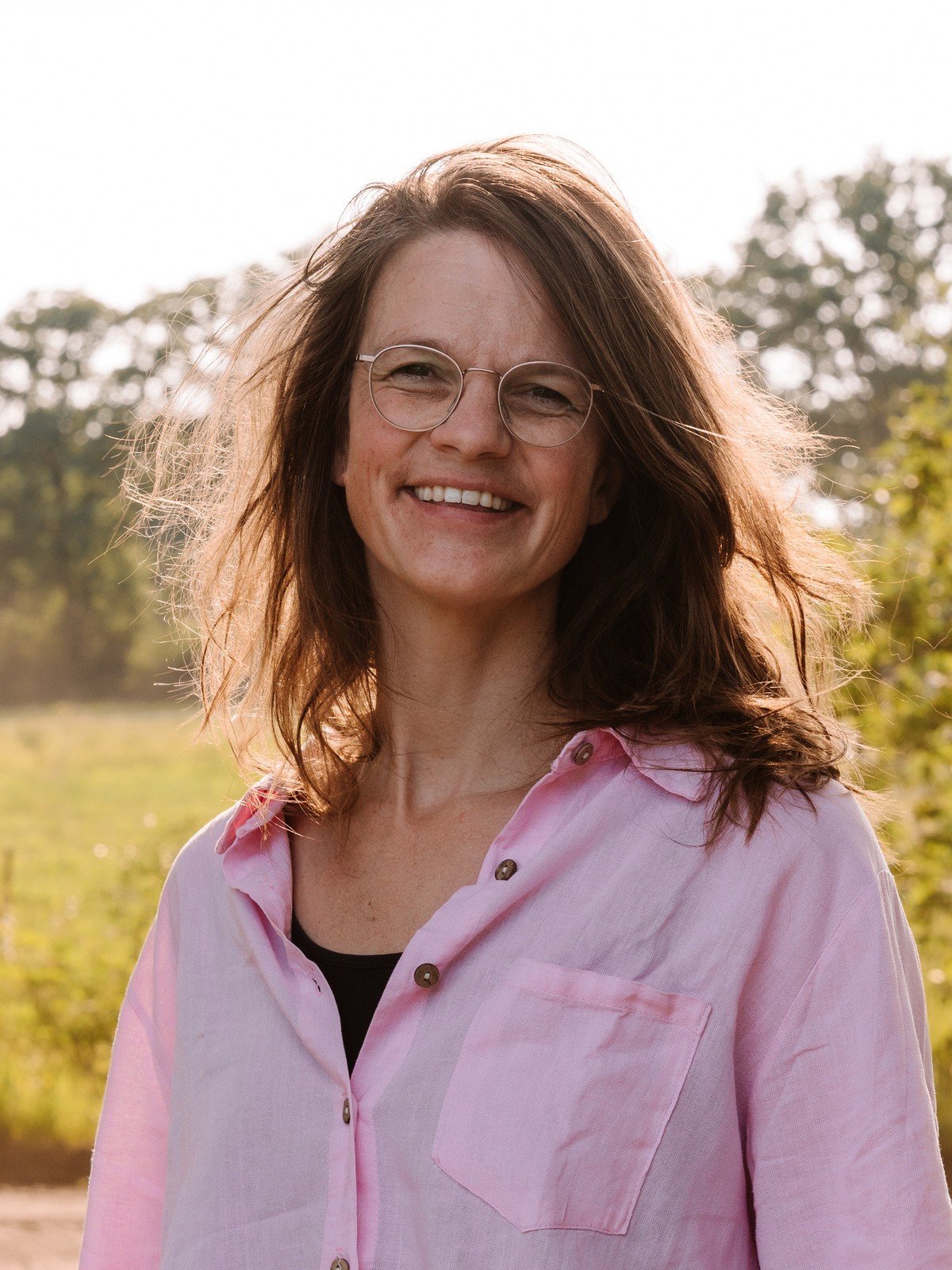 Hanneke SnetselaarHealth care psychologist (GZ-psycholoog)
 Heske OttevangerPsychologist (WO-psycholoog)
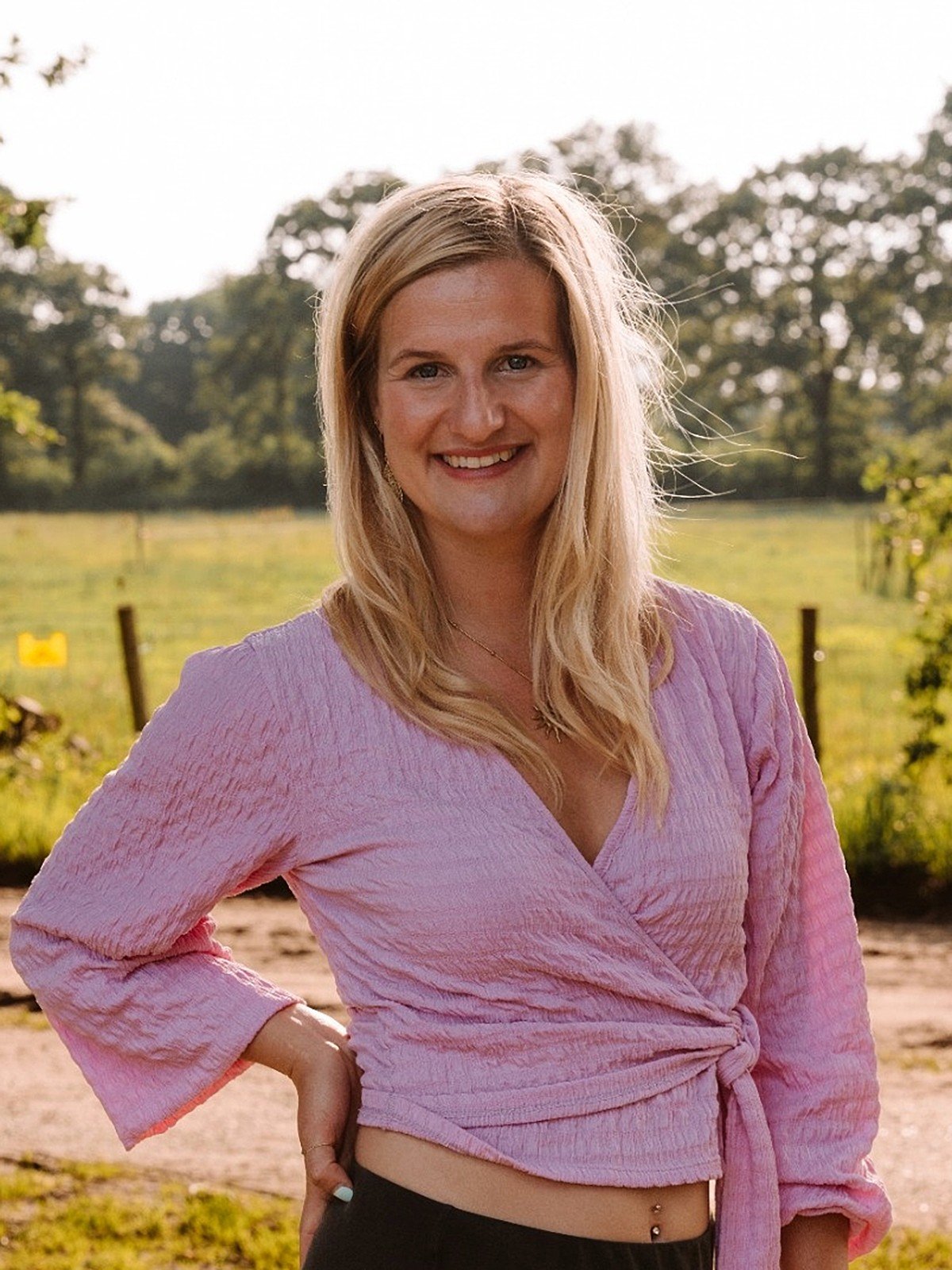 Anoek HaanHealth care psychologist (GZ-psycholoog)
 Marloes WitteveenPsychologist (WO-psycholoog)
 Paola CroesHealth care psychologist (GZ-psycholoog)
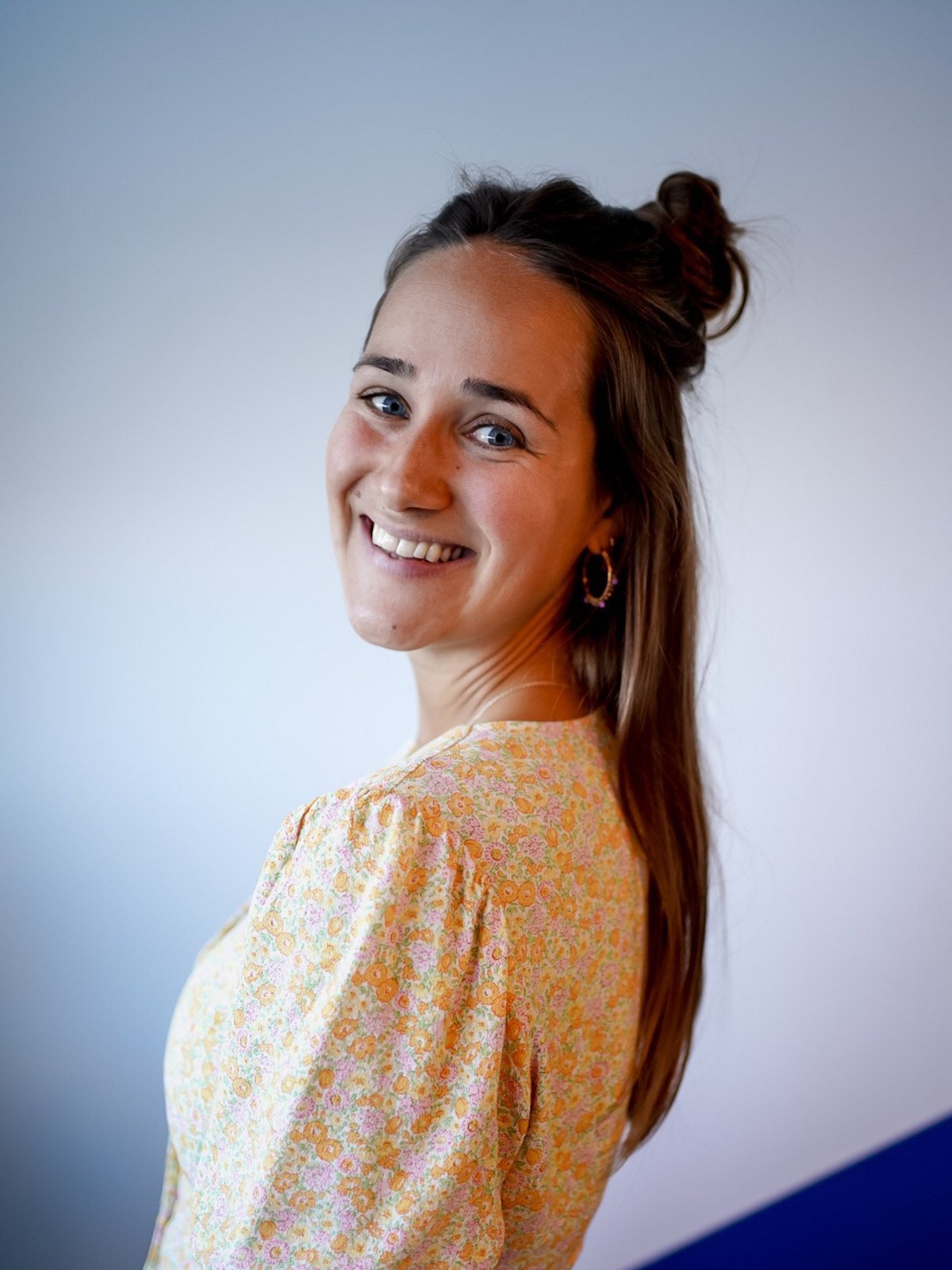 Anke WiersemaRemedial educationalist (WO-orthopedagoog)
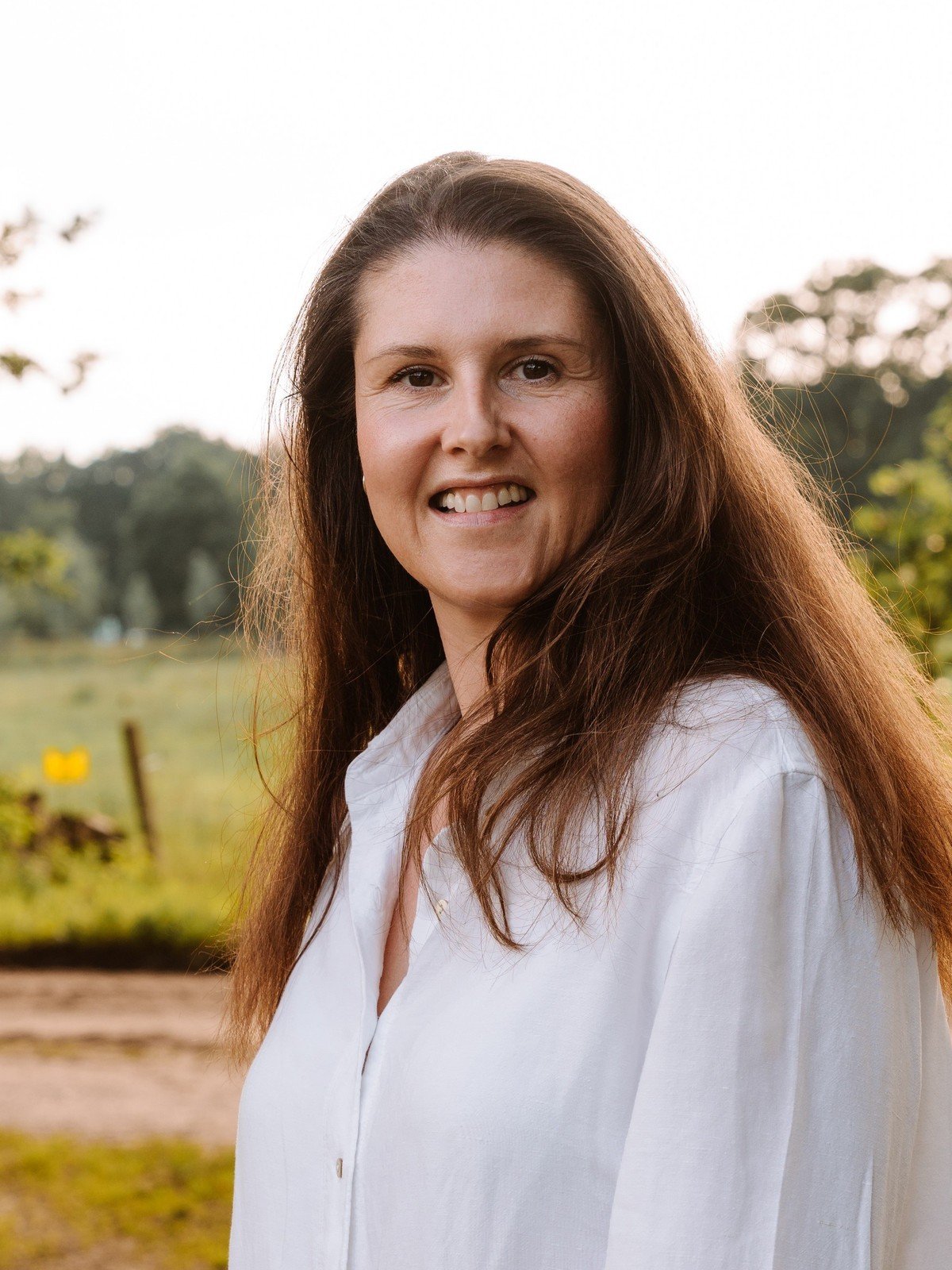 Tessa KardoesPsychologist (WO-psycholoog)
What is depression?
Depressive symptoms can show up in different ways. Perhaps you feel low, empty or exhausted for a long time, or notice that things that used to give you pleasure barely do any more. Changes in sleep, appetite, concentration and self-image can also happen. Not everyone experiences depression in the same way.
Often several factors play a part, such as long-lasting stress, distressing experiences, inherited predisposition, hormonal changes, or overlooking your own needs and boundaries for a long time.
Depression in women
Depressive symptoms are more common in women than in men. Hormonal changes around your period, pregnancy, giving birth and the menopause can play a part. Long-lasting stress, expectations from society and caring for others can also affect your mental wellbeing. At SheVibes we look at your own experiences, circumstances and needs, not only at your symptoms.
How we treat depression
At SheVibes we look beyond your thoughts alone. Low mood can be connected to your emotions, physical reactions, experiences and recurring patterns. Together we explore what affects your symptoms and what you need to feel more space and connection with yourself again.
We work with treatment methods such as CBT, ACT and schema therapy, where it fits alongside body-oriented interventions. Together we decide which approach suits you.
Preventing relapse
Low mood can come back. That is why during your treatment we pay attention to recognising your own signals, needs and boundaries. What do you notice when things go less well, and what helps you take care of yourself? That way you build tools for the future.
Need help right now? SheVibes is not a crisis service. Call your GP or the out-of-hours GP service, 112 in an emergency, or 113 Suicide Prevention free and 24/7 on 0800-0113.
Frequently asked questions
Questions about Low mood and depression
Can't find your question? We're happy to help.
Further reading

Sources
This page is based on the Dutch mental health care standards and guidelines, and on how we work at SheVibes.
Updated on 19 november 2026