
Condition
Trauma and PTSD
What you went through does not have to keep deciding how you feel today.
Memories that keep pushing their way in. Being constantly on alert, sleeping badly or finding it hard to feel safe. Distressing experiences or long-lasting lack of safety can deeply affect how you feel, think and react. At SheVibes we look beyond your symptoms alone. With personal, integrative trauma treatment from women practitioners, fully online.
 No waiting time: start right away
Does this sound familiar?
Signs you may recognise
You may recognise yourself in some of these signs. During the intake process we explore together what is going on for you and what support fits.
Memories, images or nightmares about what happened keep coming back
You avoid people, places or conversations that remind you of it
You startle easily, are tense or always on your guard
You feel numb, shut off or find it hard to feel connected to yourself and others
You feel shame or guilt, or blame yourself for what you went through
Does this sound like you?
Start your sign-upMethods we use for this
- EMDR therapyThe memory stays, but the pain you feel with it can ease.Read more
- Schema therapyWhat you learned back then does not have to decide how you live today.Read more
- Body-oriented interventionsYour body tells what words cannot always express.Read more
- Systemic interventionsThe relationships in your life influence how you feel and who you are.Read more
Practitioners
Who can help you with this
These practitioners work with the methods we use for this. When you sign up, we look at who suits you best.
 Daphne Hooft-ScholtenRemedial educationalist (orthopedagoog-generalist)
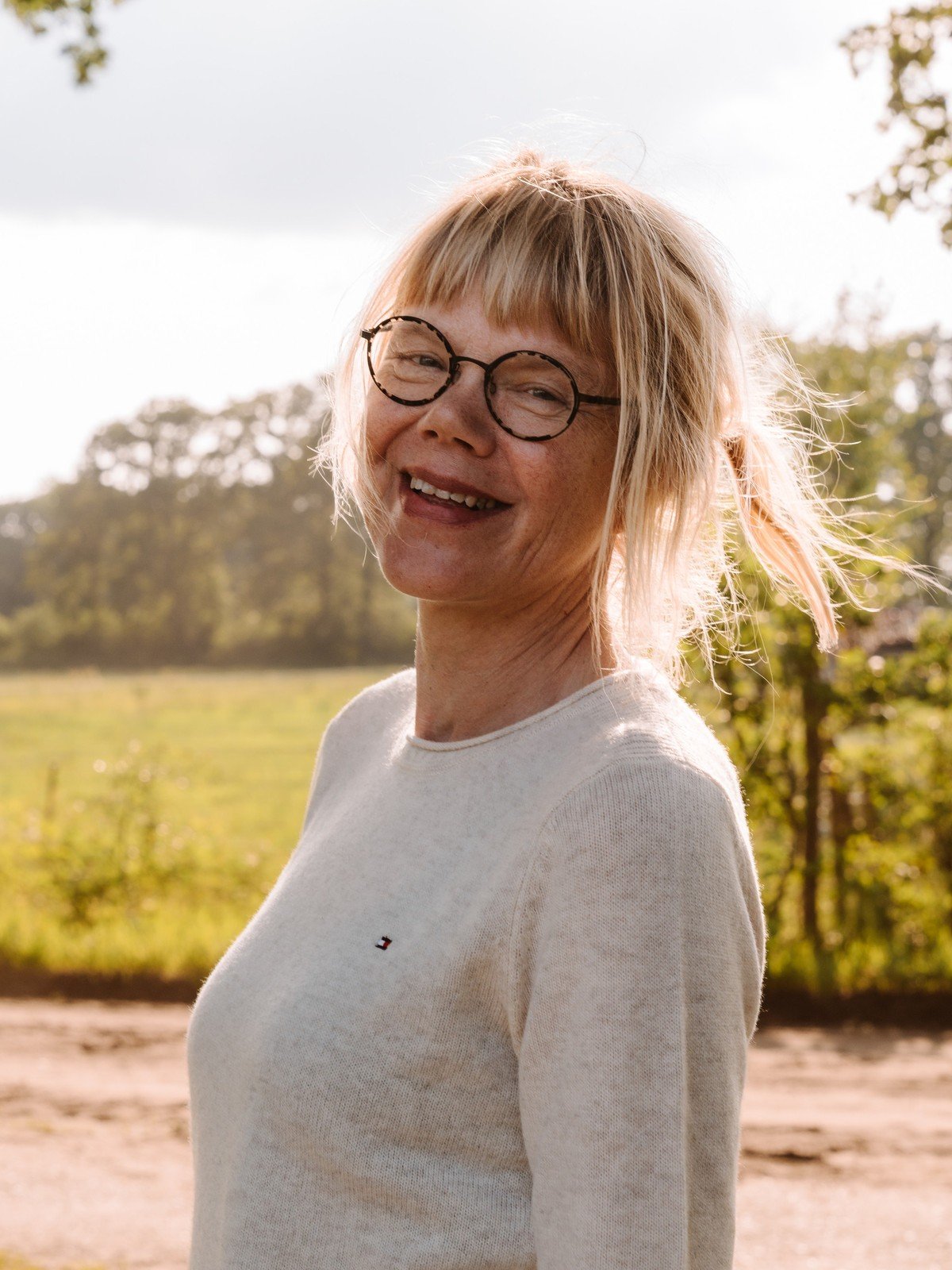 Elke MeiborgHealth care psychologist (GZ-psycholoog)
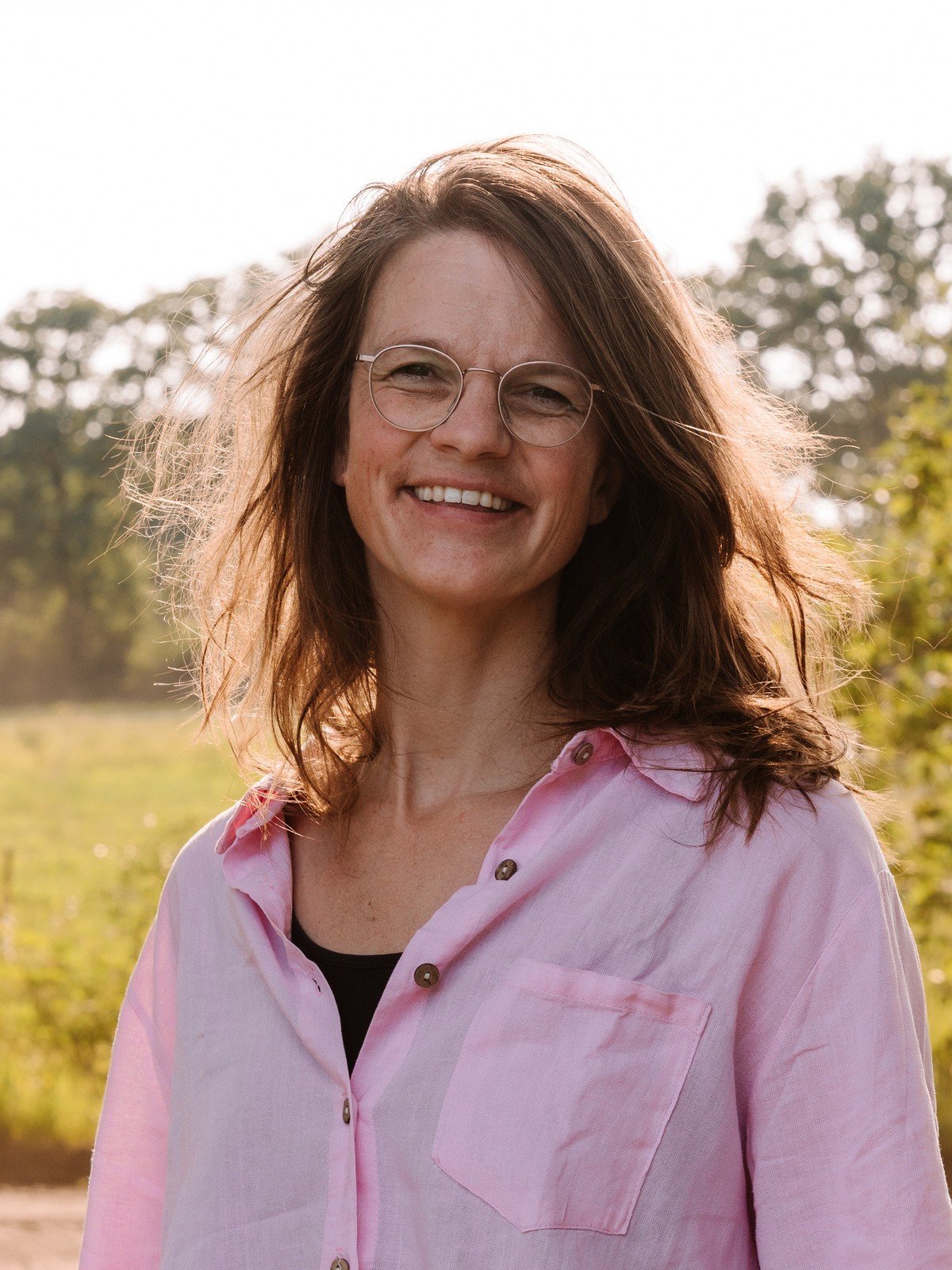 Hanneke SnetselaarHealth care psychologist (GZ-psycholoog)
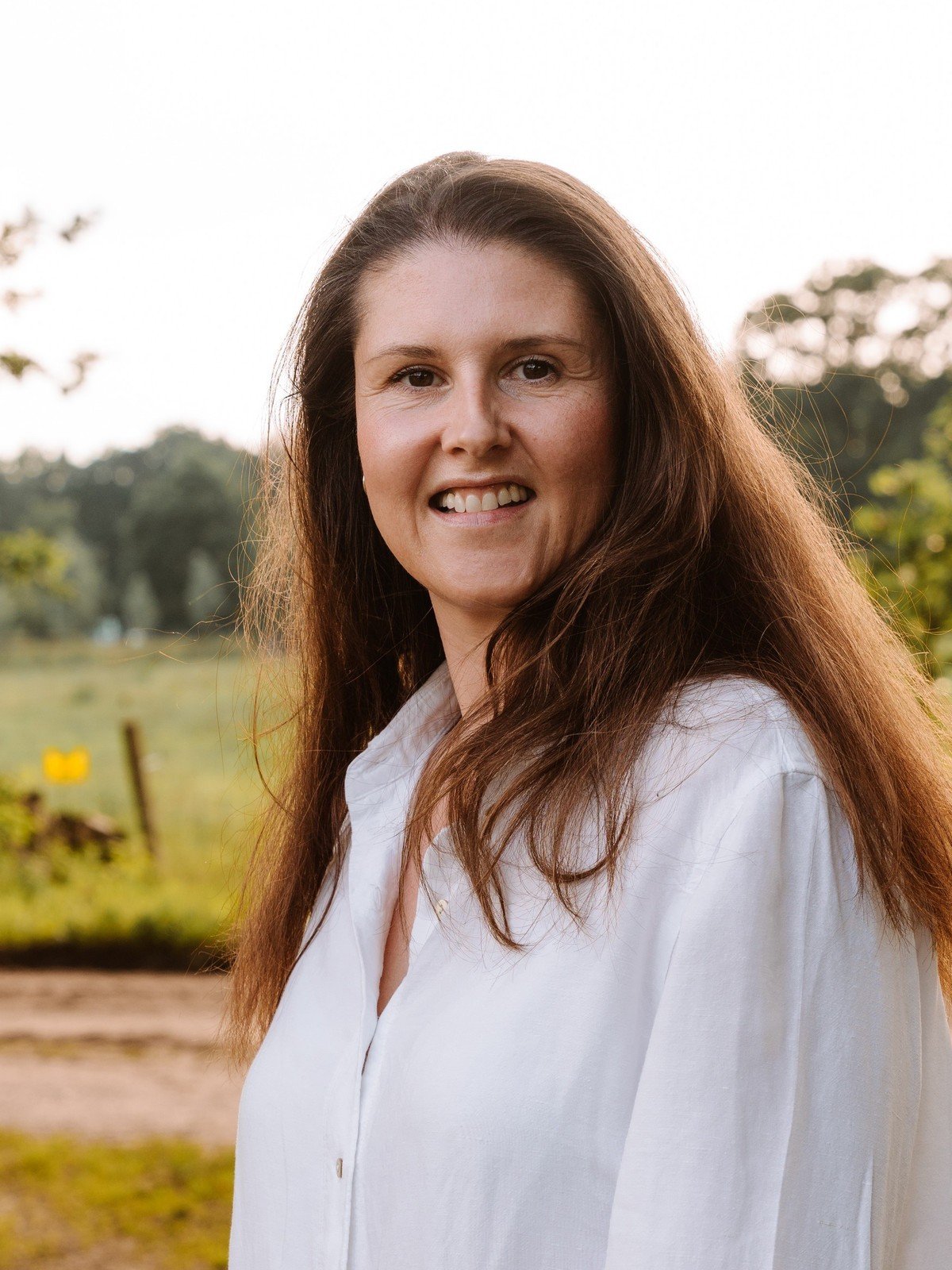 Tessa KardoesPsychologist (WO-psycholoog)
 Heske OttevangerPsychologist (WO-psycholoog)
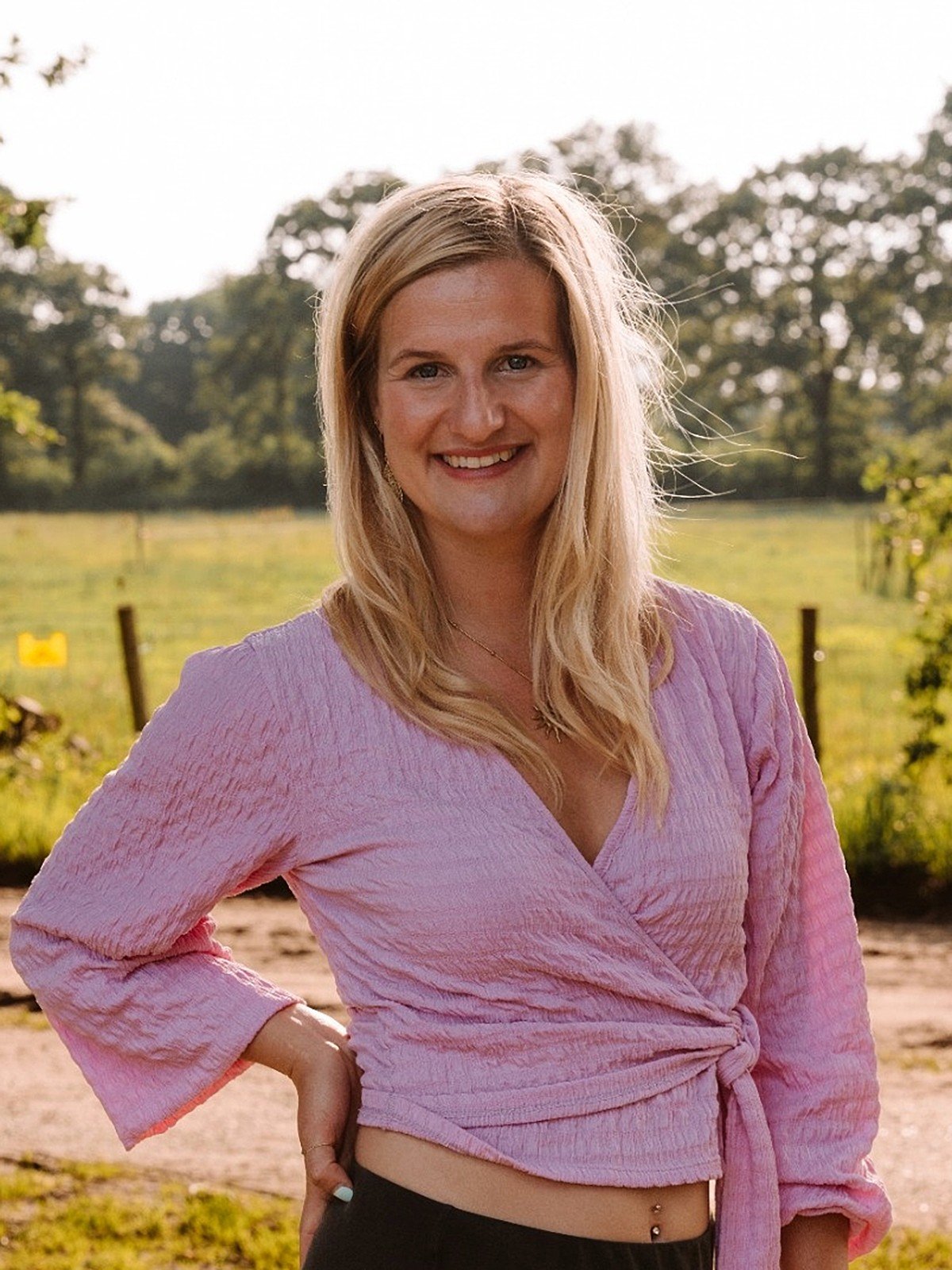 Anoek HaanHealth care psychologist (GZ-psycholoog)
 Paola CroesHealth care psychologist (GZ-psycholoog)
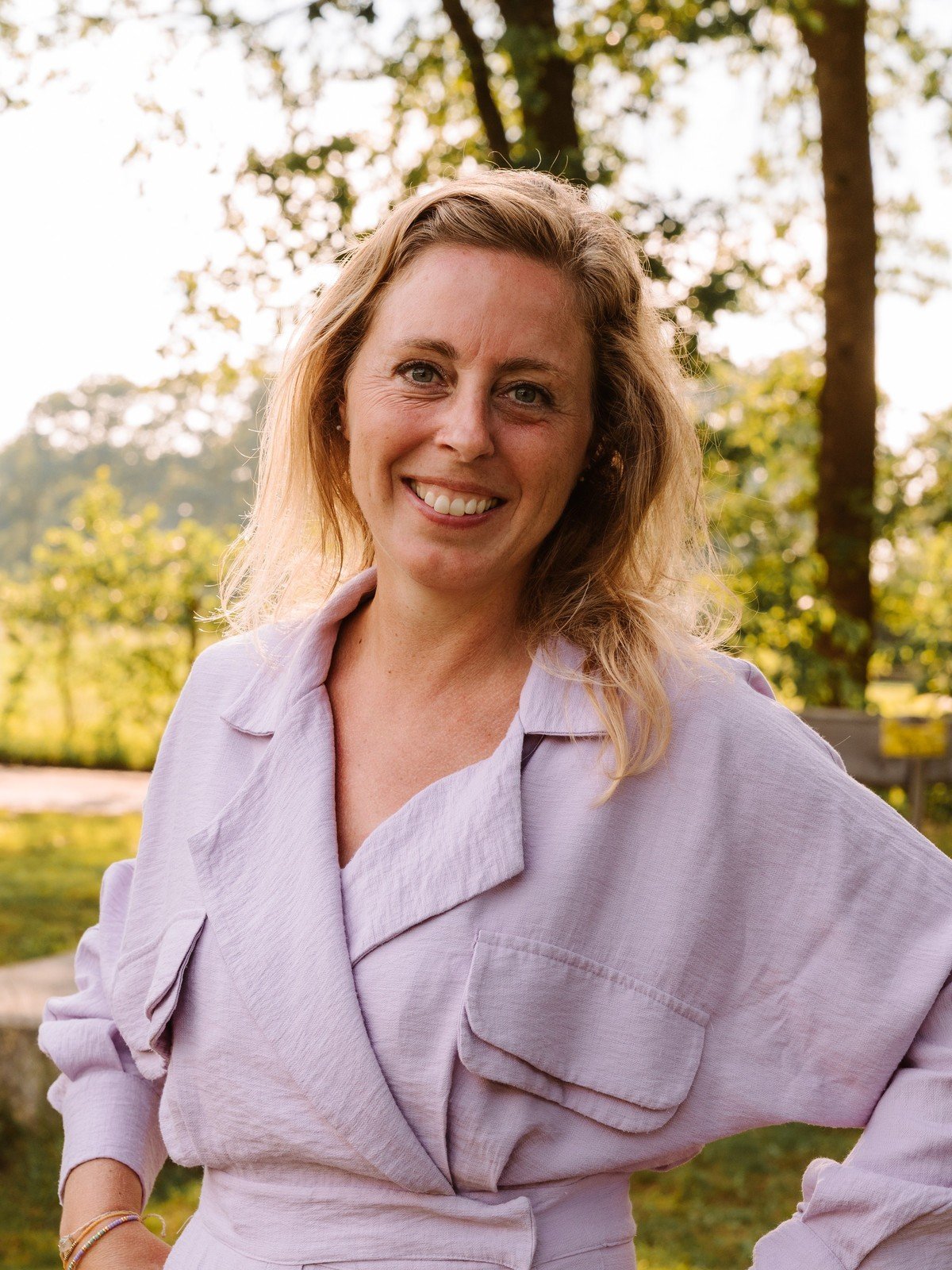 Kim VlietstraHealth care psychologist (GZ-psycholoog)
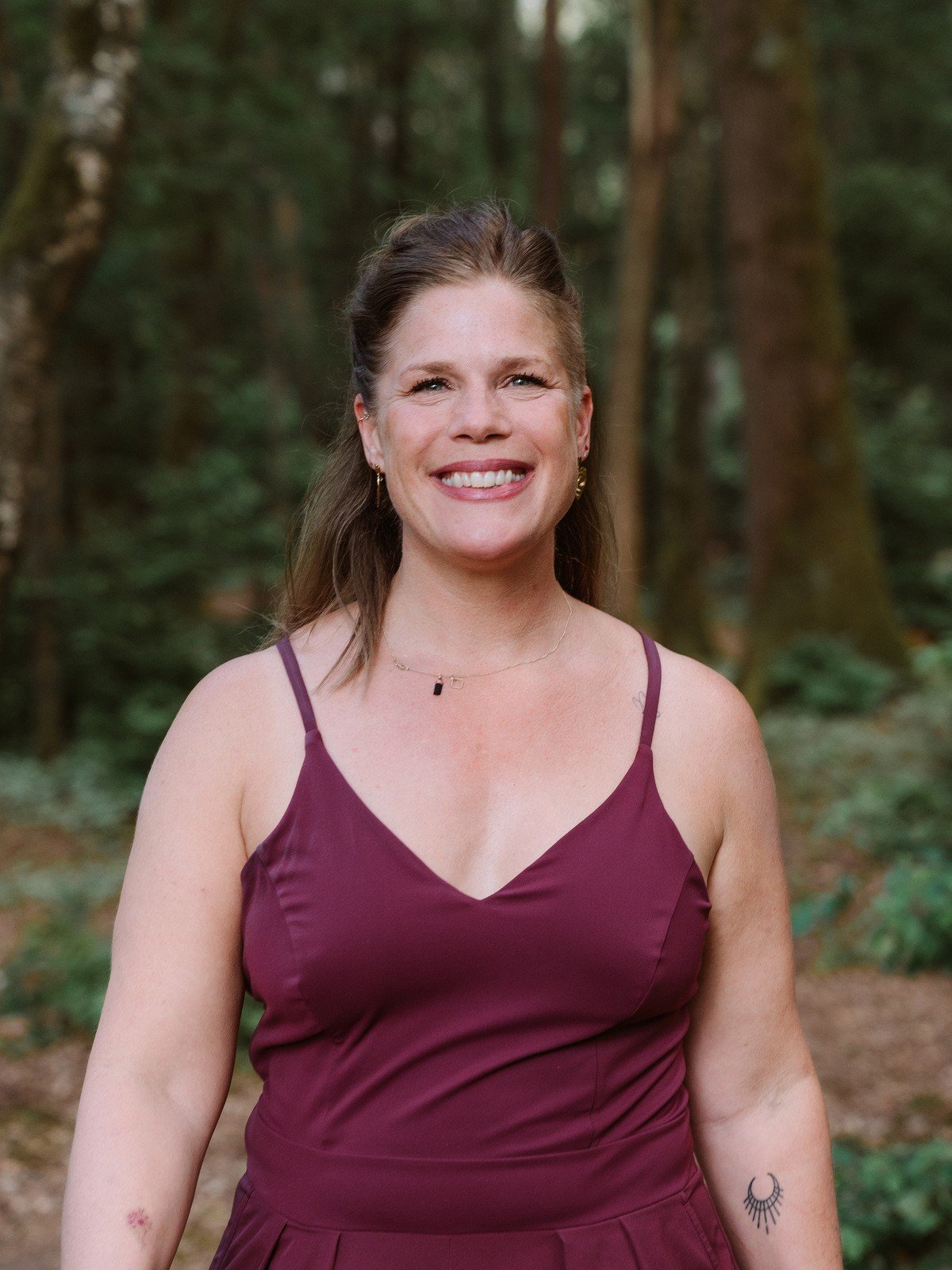 Bregje BoetingPsychotherapist
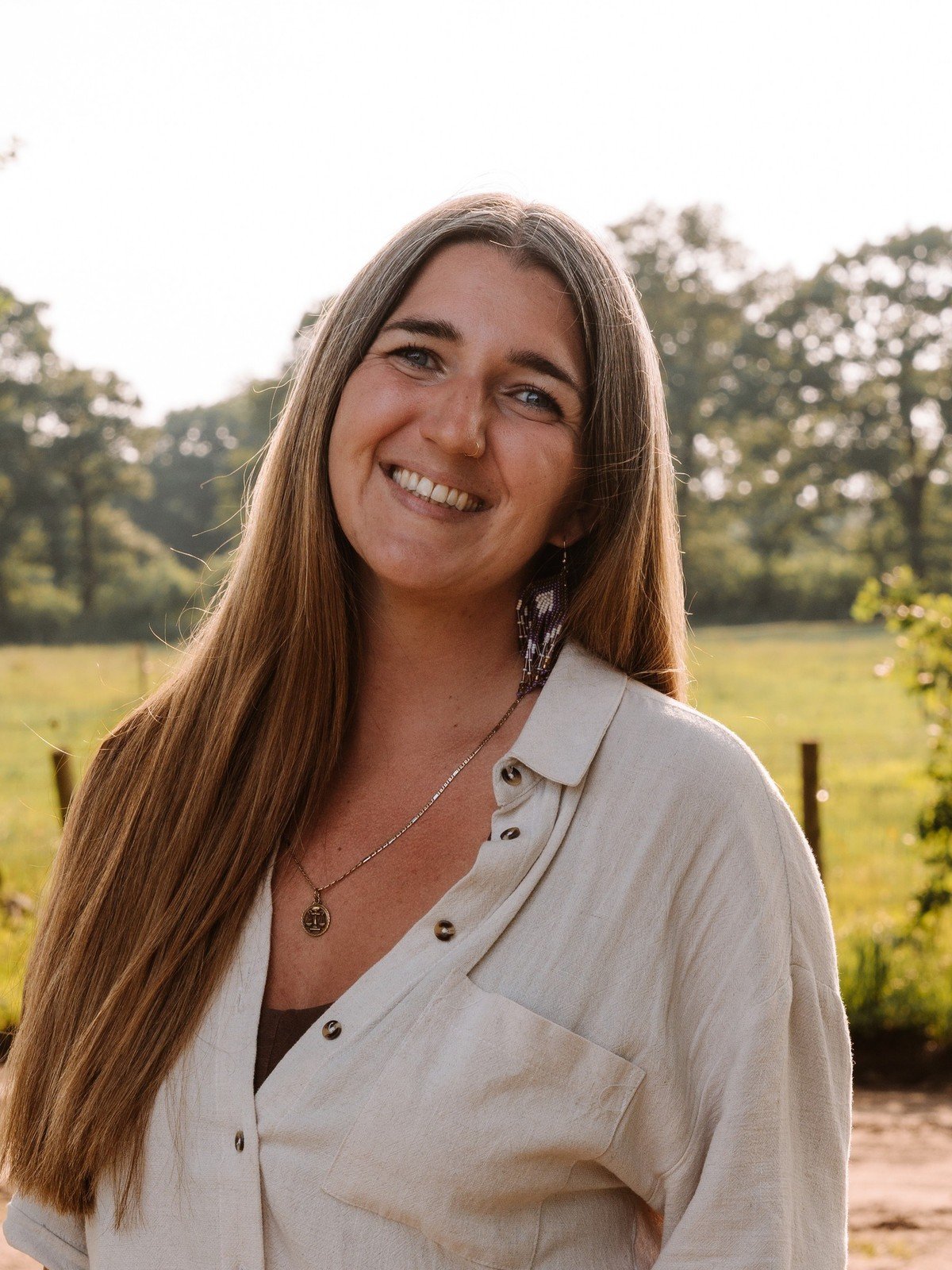 Lana van SpronsenSocial pedagogical care worker
What is trauma?
Trauma is not only about distressing events such as violence, abuse or an accident. Long-lasting experiences of not being safe can also leave deep marks. For example when as a child you got little emotional support, your feelings were not allowed, or you repeatedly felt unseen and unheard. This can affect how you see yourself, enter relationships and deal with emotions. When trauma symptoms persist, there may be PTSD or complex PTSD (C-PTSD).
How trauma plays out
After distressing experiences you can keep reacting as if danger is still near. Perhaps you are constantly on alert, quickly feel overwhelmed, or feel very little. Memories, physical tension and avoidance can also play a part. Talking about what you went through can be hard, especially when trust and safety were damaged before.
Trauma symptoms can also affect your relationships, boundaries and self-image. Especially with long-lasting lack of safety, patterns can form that once helped you cope with difficult circumstances but now hold you back.
How we treat trauma
At SheVibes we look at how your experiences, emotions, thoughts, physical reactions and relationships connect. We work with evidence-based trauma treatments such as EMDR, where it fits alongside schema therapy and body-oriented interventions. That way we pay attention not only to traumatic memories, but also to recurring patterns and to recognising your own signals and boundaries.
Together we decide which treatment fits your symptoms, experiences and needs. We pay attention to trust, safety and a pace of treatment that suits you, so there is room to work through difficult experiences.
When SheVibes is not the right place
With severe dissociative symptoms, acute lack of safety, or when more intensive support is needed, a different treatment setting may fit better. In the intake we carefully explore whether SheVibes is the right place for you.
Need help right now? SheVibes is not a crisis service. Call your GP or the out-of-hours GP service, 112 in an emergency, or 113 Suicide Prevention free and 24/7 on 0800-0113.
Frequently asked questions
Questions about Trauma and PTSD
Can't find your question? We're happy to help.
Further reading



Sources
This page is based on the Dutch mental health care standards and guidelines, and on how we work at SheVibes.
Updated on 19 november 2026