


Condition
Burn-out and stress
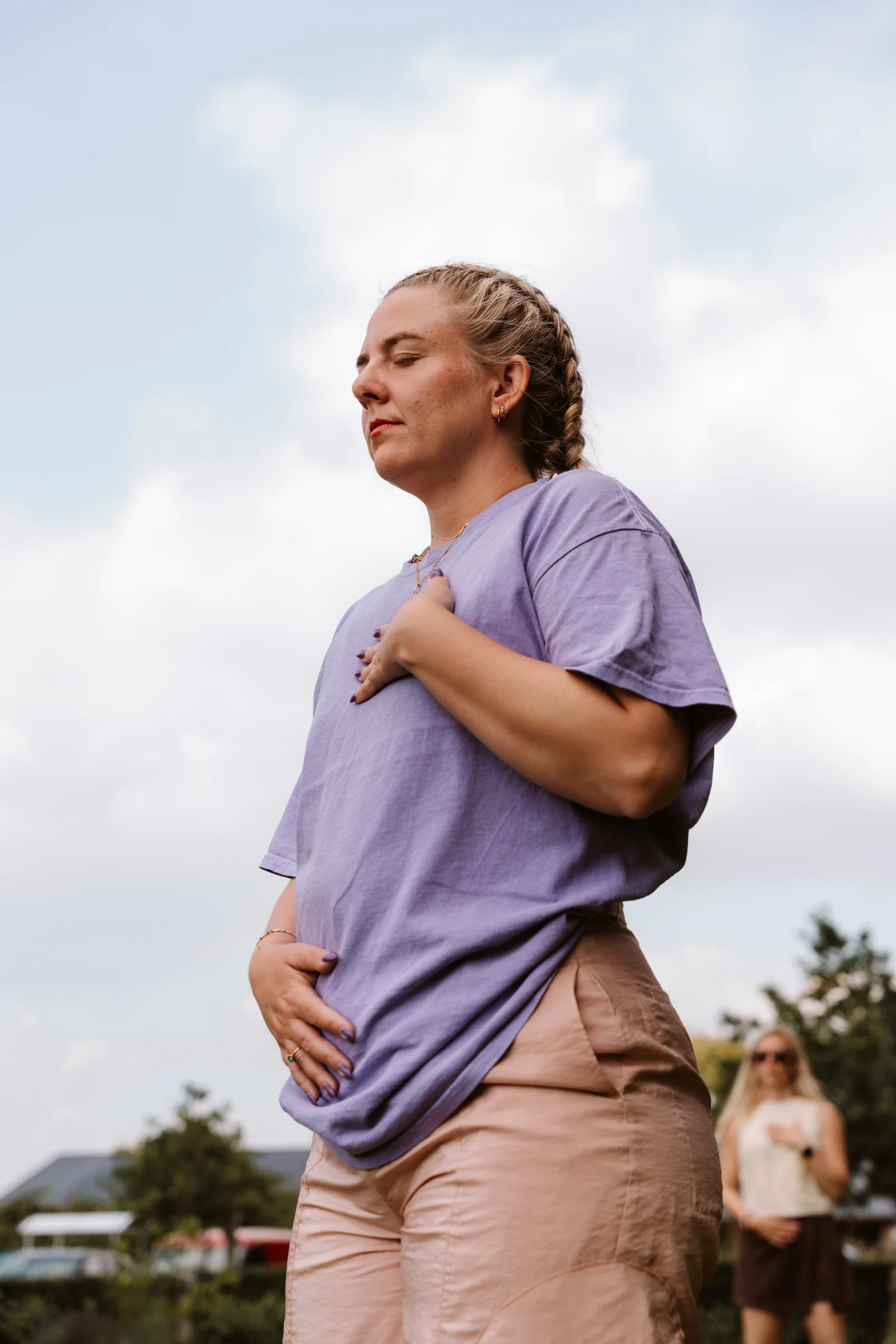
Carrying on was your strength for a long time. Recovery begins where you count yourself in again.
You are exhausted, but you keep going. Until your body or your mind tells you it no longer works. You sleep badly, get overstimulated more quickly and even small things take a lot of energy. At SheVibes we explore whether, besides the overload, there are psychological symptoms that need treatment. We look beyond the symptoms, with attention for the patterns that kept you going for so long.
 No waiting time: start right away
Does this sound familiar?
Signs you may recognise
You may recognise yourself in some of these signs. During the intake process we explore together what is going on for you and what support fits.
You are exhausted, even after rest or a holiday
You find it hard to concentrate and forget things
You are irritable, emotional or cry more easily than you are used to
You sleep badly or wake up tired
You have physical symptoms, such as headaches or muscle pain, without a clear cause
Does this sound like you?
Start your sign-upMethods we use for this
- Acceptance and Commitment Therapy (ACT)Make room for what you feel and for the life you want to lead.Read more
- Cognitive behavioural therapy (CBT)Discover how thoughts, feelings and behaviour affect each other, and how you can break patterns that have got stuck.Read more
- Body-oriented interventionsYour body tells what words cannot always express.Read more
Practitioners
Who can help you with this
These practitioners work with the methods we use for this. When you sign up, we look at who suits you best.
 Daphne Hooft-ScholtenRemedial educationalist (orthopedagoog-generalist)
 Kim VlietstraHealth care psychologist (GZ-psycholoog)
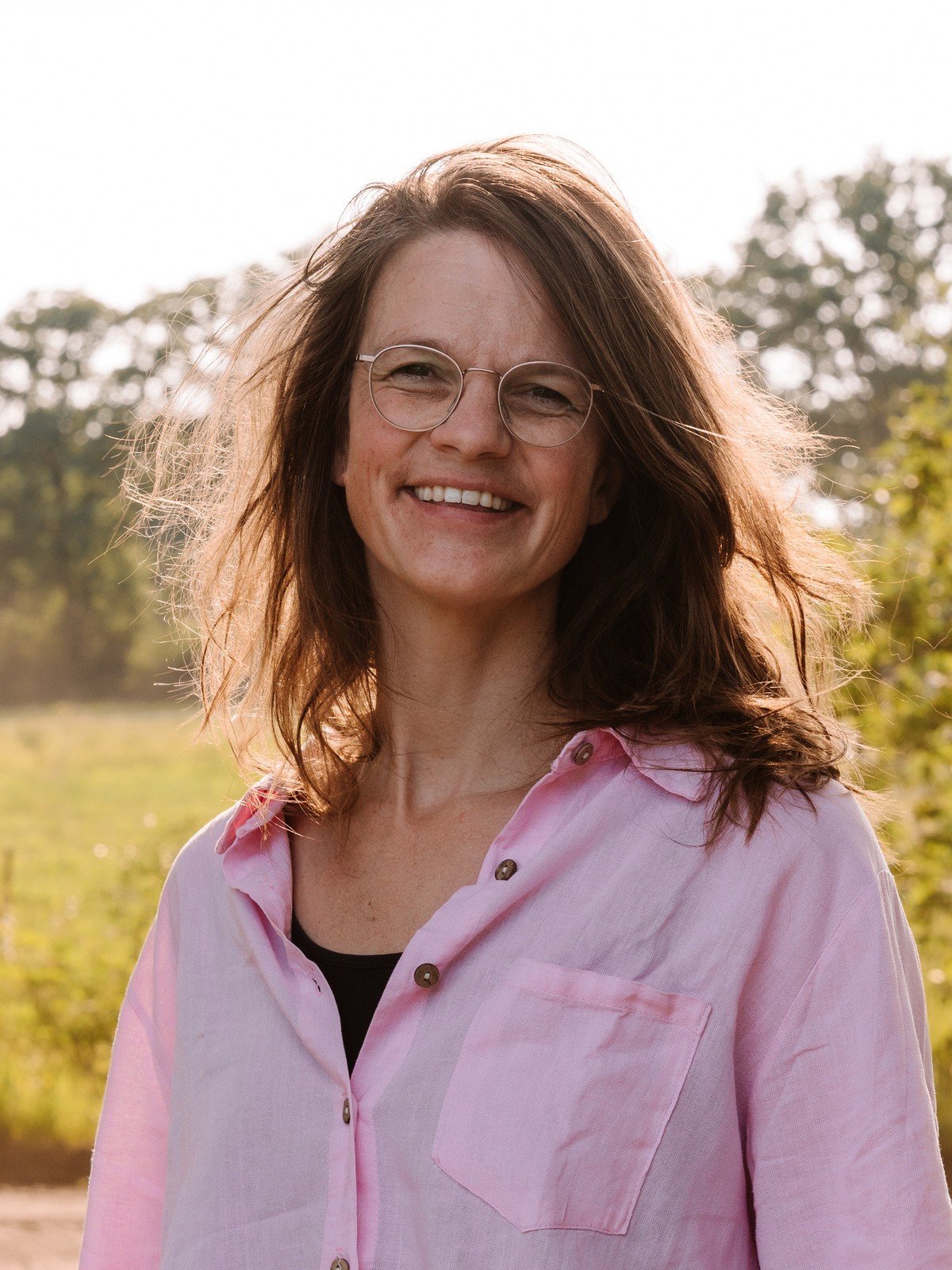 Hanneke SnetselaarHealth care psychologist (GZ-psycholoog)
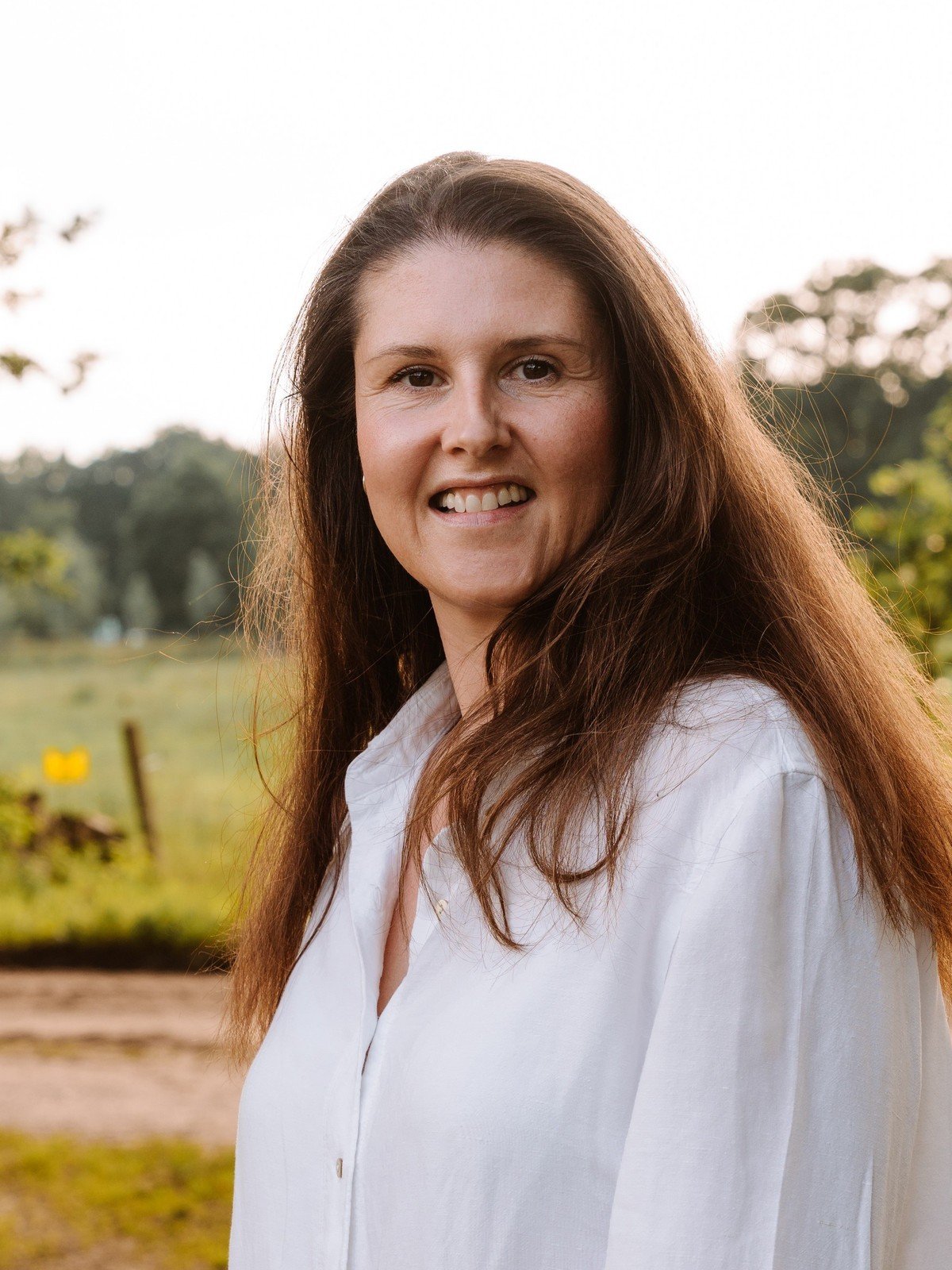 Tessa KardoesPsychologist (WO-psycholoog)
 Anoek HaanHealth care psychologist (GZ-psycholoog)
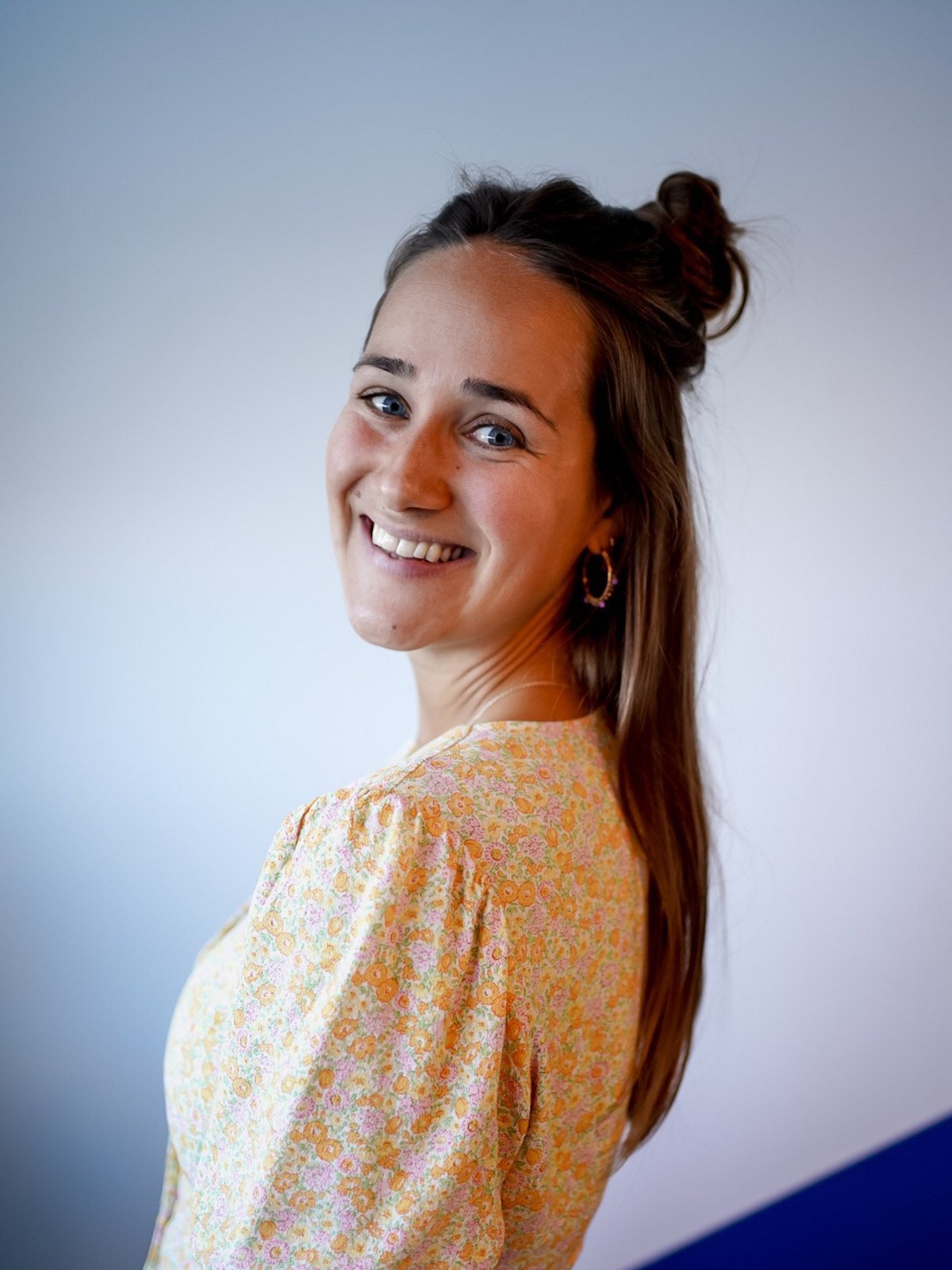 Anke WiersemaRemedial educationalist (WO-orthopedagoog)
 Heske OttevangerPsychologist (WO-psycholoog)
 Marloes WitteveenPsychologist (WO-psycholoog)
 Paola CroesHealth care psychologist (GZ-psycholoog)
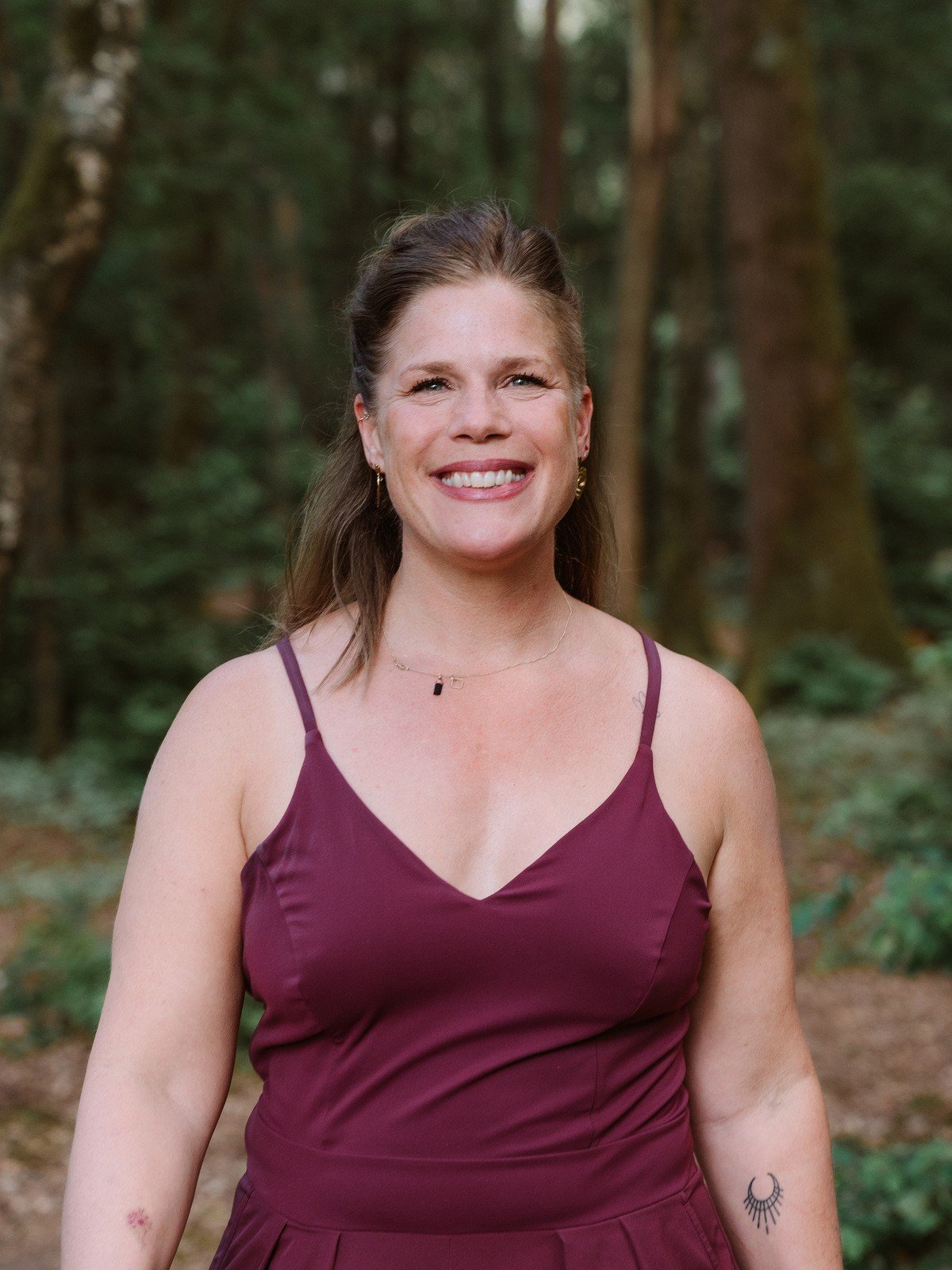 Bregje BoetingPsychotherapist
 Lana van SpronsenSocial pedagogical care worker
What is a burn-out?
Overstrain and burn-out can develop when you ask more of yourself than you can carry for a long time. That can come from work, caring for others, emotional strain or distressing experiences. When tension keeps building up and recovery does not come, your body and mind become more and more exhausted.
Deep-rooted patterns often play a part too, such as perfectionism, putting yourself last or constantly feeling responsible for others. Patterns that once helped you, but now cost you a lot of energy.
Burn-out in women
Many women combine work with caring for others and also carry a large share of the invisible responsibilities. Earlier experiences and attachment patterns can also affect how you deal with boundaries, expectations and your own needs. Perhaps you learned early on to care for others and put yourself second. At SheVibes we look at how this connects, with attention for your personal history and circumstances.
How we help you
When you have been overloaded for a long time, it is important to make room for recovery, often in consultation with your GP or occupational doctor. If there are also psychological symptoms for which mental health care is appropriate, at SheVibes we look beyond the symptoms alone. We explore which experiences, beliefs and patterns contribute to constantly carrying on and finding it hard to feel your own boundaries.
We work with treatment methods such as CBT and ACT, where it fits alongside body-oriented interventions. That makes room not only to reduce tension, but also to learn to recognise your emotions, needs and boundaries better.
Back to work
Returning to work needs a careful build-up, in consultation with your occupational doctor. When you are in treatment at SheVibes, we also pay attention to what you need to deal differently with tension, expectations and your own boundaries.
Need help right now? SheVibes is not a crisis service. Call your GP or the out-of-hours GP service, 112 in an emergency, or 113 Suicide Prevention free and 24/7 on 0800-0113.
Frequently asked questions
Questions about Burn-out and stress
Can't find your question? We're happy to help.
Further reading

Sources
This page is based on the Dutch mental health care standards and guidelines, and on how we work at SheVibes.
Updated on 19 november 2026