



Treatment method
Schema therapy
What you learned back then does not have to decide how you live today.
The same patterns in relationships, the same doubt, the same feeling of not being good enough, again and again. Many of these patterns grow out of experiences in childhood and can be reinforced later in life. Schema therapy helps you understand where these patterns come from, how they affect you and how you can handle them differently.
 No waiting time: start right away
Often used for
- Identity and self-imageWho are you, when you are not busy with what others ask of you?Read more
- Low mood and depressionWhen everything feels heavy, you don't have to get through it alone.Read more
- Anxiety and panicAnxiety is a natural response. You can learn to live with it, without it running your life.Read more
- Trauma and PTSDWhat you went through does not have to keep deciding how you feel today.Read more
What is schema therapy?
Schema therapy is an evidence-based form of psychotherapy that combines elements of cognitive behavioural therapy, attachment theory and experiential techniques.
A schema is a deep-rooted pattern of thoughts, feelings and beliefs about yourself, others and the world. These patterns often grow out of childhood experiences, for example when important emotional needs were not sufficiently met. Perhaps you recognise beliefs like "I'm not good enough", "my needs don't matter" or "in the end I'll be left anyway".
To cope with these feelings and beliefs, you develop ways to protect yourself. Perhaps you try to do everything perfectly, keep adapting to others or keep people at a distance. What helped you cope with difficult situations back then can hold you back later in life.
In schema therapy you explore together with your clinician how these patterns arose and how you can handle them differently. Conversations, imagery, chair work and behavioural exercises can all be part of this. Where it fits, we combine schema therapy with EMDR or body-oriented interventions. Treatment takes place fully online and is shaped together with you.
Who is schema therapy for?
- Recurring patterns in relationships, work or self-image
- Long-lasting low mood or anxiety that earlier treatment did not sufficiently help with
- A childhood with emotional neglect, lack of safety or high demands
- Perfectionism, people-pleasing and difficulty with boundaries
- Long-standing patterns in how you see yourself, enter relationships and deal with emotions
Why women often recognise it so well
Many women learned early on to care for others first, not to be difficult and to sort everything out themselves. Perhaps you are used to being strong, adapting or putting your own needs last.
What once felt natural can wear you out later: always saying yes, finding it hard to set boundaries, or only resting when your body can't go on. Schema therapy helps you understand where these patterns come from and how to make more room for your own needs, without judging yourself or your past.
What treatment looks like
Together with your clinician you explore which schemas and patterns play a role in your life. You also look at different sides of yourself, called modes in schema therapy. For example the part that adapts to others, the part that is hard on itself or the part that feels vulnerable.
Depending on what you need help with, different techniques can be used. In imagery you work with memories and the feelings attached to them. Chair work helps you recognise and understand different sides of yourself. Conversations, reflection and exercises can also help you develop new ways of relating to yourself and others.
Together with your clinician you decide which approach suits you and at what pace you work. The aim is to understand old patterns better, make more room for your own needs and strengthen the healthy adult in yourself.
Practitioners
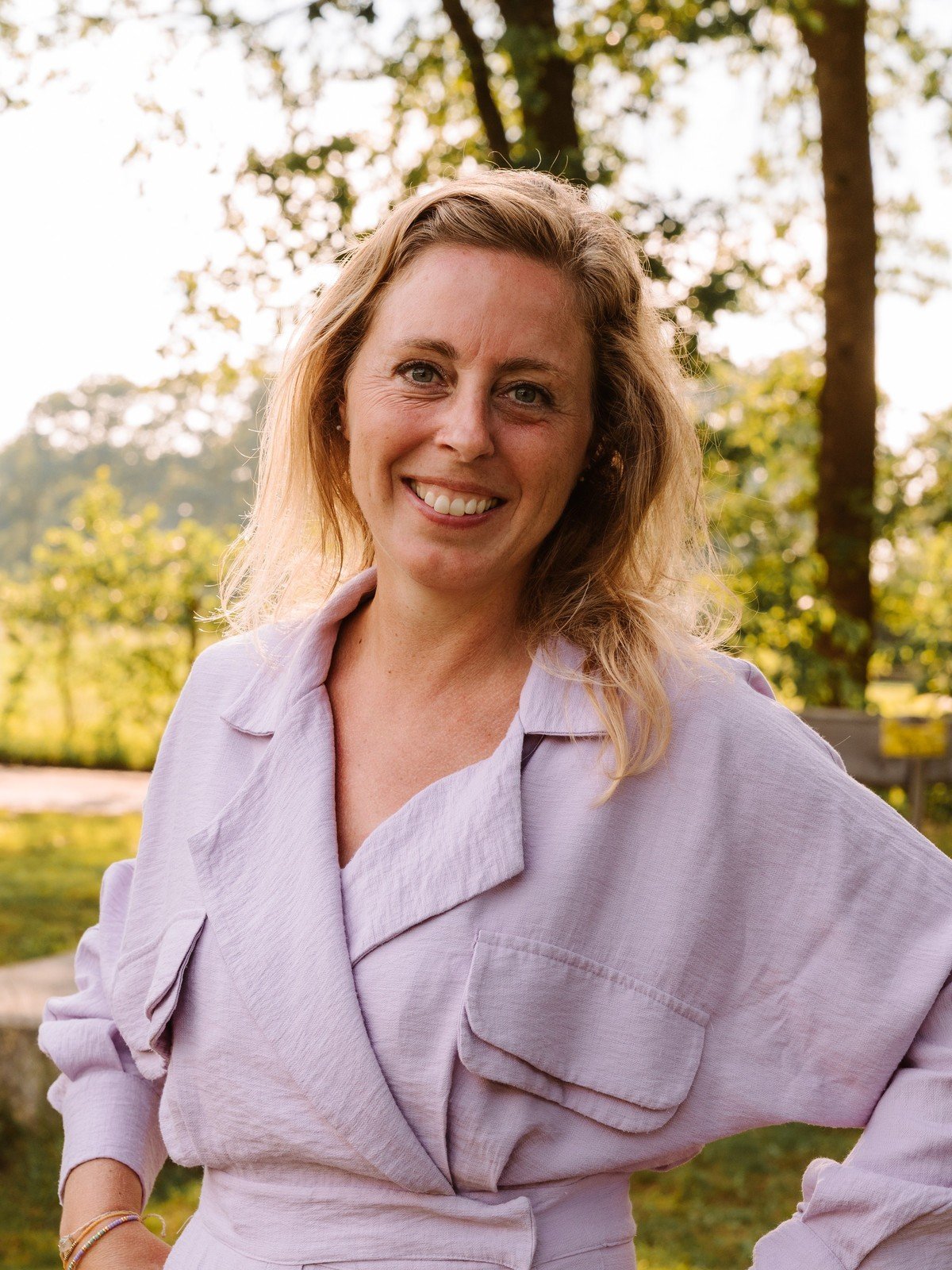
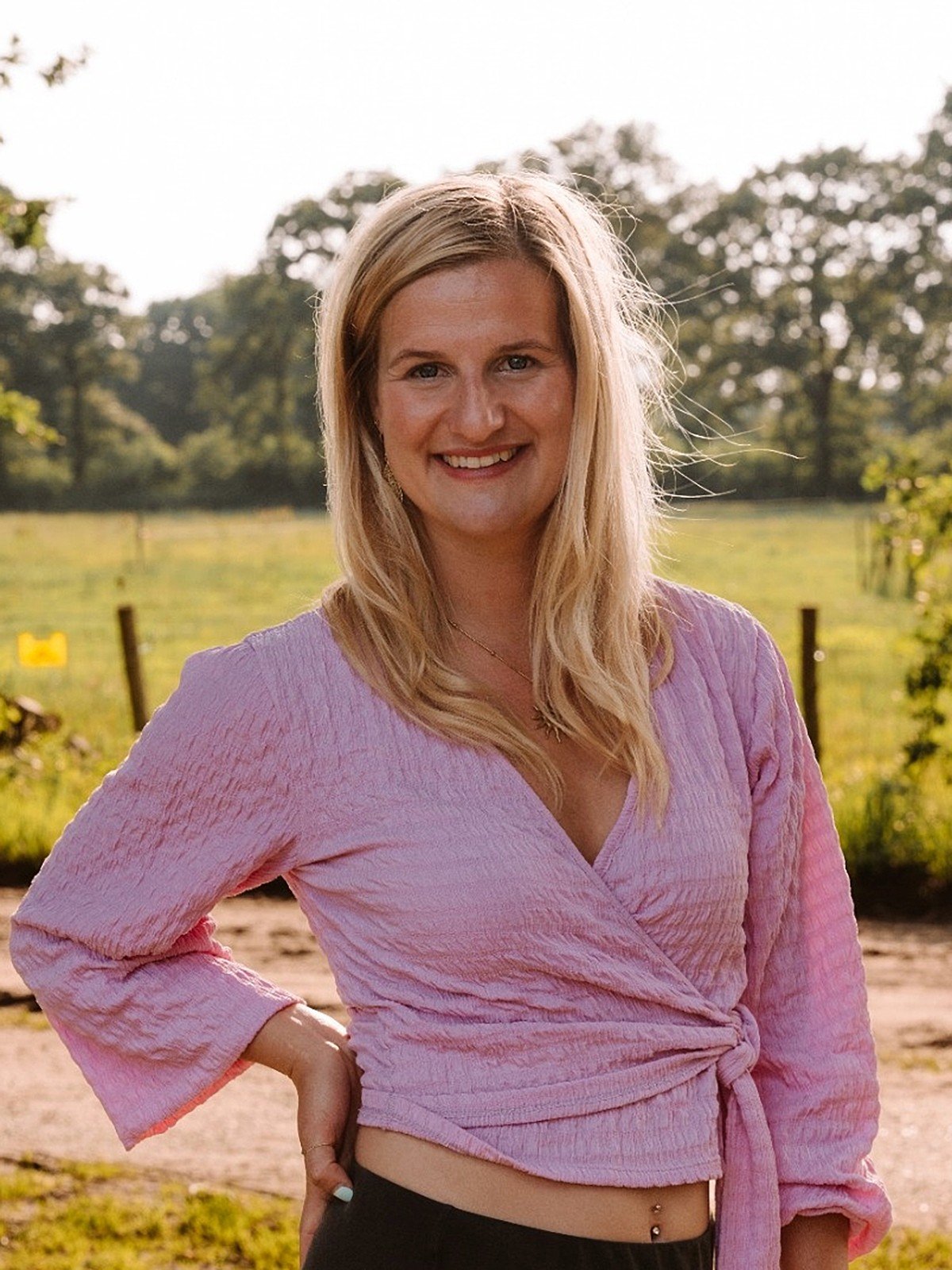
Who works with Schema therapy at SheVibes
When you sign up, we look at who best fits what you need.



Frequently asked questions
Questions about Schema therapy
Can't find your question? We're happy to help.
Further reading


Sources
This page is based on scientific knowledge about schema therapy, relevant Dutch guidelines and how we work at SheVibes.
Updated on 19 november 2026