



Treatment method
EMDR therapy
The memory stays, but the pain you feel with it can ease.
Some experiences keep having an effect, even long after the event is over. Memories that push their way in, fear that comes up unexpectedly, tension in your body or the feeling of always being on guard. EMDR is a scientifically grounded treatment method that can help reduce the emotional charge of distressing experiences.
 No waiting time: start right away
Often used for
- Trauma and PTSDWhat you went through does not have to keep deciding how you feel today.Read more
- Anxiety and panicAnxiety is a natural response. You can learn to live with it, without it running your life.Read more
- Grief and lossGrief is love that stays, even when someone or something is no longer there.Read more
What is EMDR?
EMDR stands for Eye Movement Desensitization and Reprocessing. It is a treatment method that helps you process distressing experiences and reduce the emotional burden connected to them.
During EMDR you focus your attention on a distressing experience, or one aspect of it, while at the same time doing another task, for example following movements on a screen. Images, thoughts, emotions and bodily sensations can all play a part.
The treatment can help reduce the emotional charge of memories and change the way you react to certain situations or bodily sensations.
EMDR is well grounded in research for PTSD and is also used for complex PTSD. It can also be considered for other mental health concerns, for example anxiety, a negative self-image or symptoms in which distressing experiences and bodily reactions play an important part. The scientific evidence differs per area and application.
At SheVibes we look together at whether EMDR fits your symptoms, experiences and treatment goals.
Who is EMDR for?
EMDR helps with concerns after one or more distressing events:
- PTSD and complex PTSD
- Distressing or frightening memories that keep pushing their way in
- Trauma after loss, violence, abuse or a medical event
- Birth trauma and trauma around pregnancy
- Fears that can be traced back to a specific experience
Many women who come to us carry experiences they have never been able to talk about. At SheVibes you do that in a setting that feels safe, with a practitioner who knows the context of women's lives.
How an EMDR session goes
Your practitioner first explains how EMDR works and what you can expect. Together you choose the memory you want to work on, and the image that feels worst. Then, in short rounds, you follow the distracting stimulus while you think of that image. Between the rounds your practitioner briefly asks what comes up.
You stay in charge. You can always stop, and at the end of every session your practitioner makes sure you feel calm and grounded again before you go on with your day.
What you may notice
After an EMDR session it can keep working for a while: vivid dreams, tiredness or memories coming up. That is part of it and usually settles quickly. After a number of sessions many women notice that the memory feels less intense, that they sleep better and startle less, and that they dare to do things again that they avoided for a long time.
EMDR at SheVibes
At SheVibes we work from an integrative, body-oriented and trauma-informed approach. We look not only at what you have been through, but also at how experiences carry on in your emotions, body, self-image, relationships and daily life.
That is why our EMDR treatment also pays attention to bodily sensations and reactions. Think of tension, a tight feeling, restlessness or other bodily sensations connected to your symptoms.
When it fits within the treatment, bodily sensations can also be taken explicitly as a focus during EMDR. So we do not work only with images or thoughts; there is also room for what you experience in your body.
Depending on your symptoms and treatment goals, other scientifically grounded treatment methods or additional body-oriented and experiential interventions can also be used. We tailor the treatment to your personal situation, capacity and needs, with the current professional guidelines as the basis.
All treatment takes place online, from a place where you feel comfortable and safe.
Practitioners
Who works with EMDR therapy at SheVibes
When you sign up, we look at who best fits what you need.
 Daphne Hooft-ScholtenRemedial educationalist (orthopedagoog-generalist)
 Elke MeiborgHealth care psychologist (GZ-psycholoog)
 Hanneke SnetselaarHealth care psychologist (GZ-psycholoog)
 Tessa KardoesPsychologist (WO-psycholoog)
 Heske OttevangerPsychologist (WO-psycholoog)
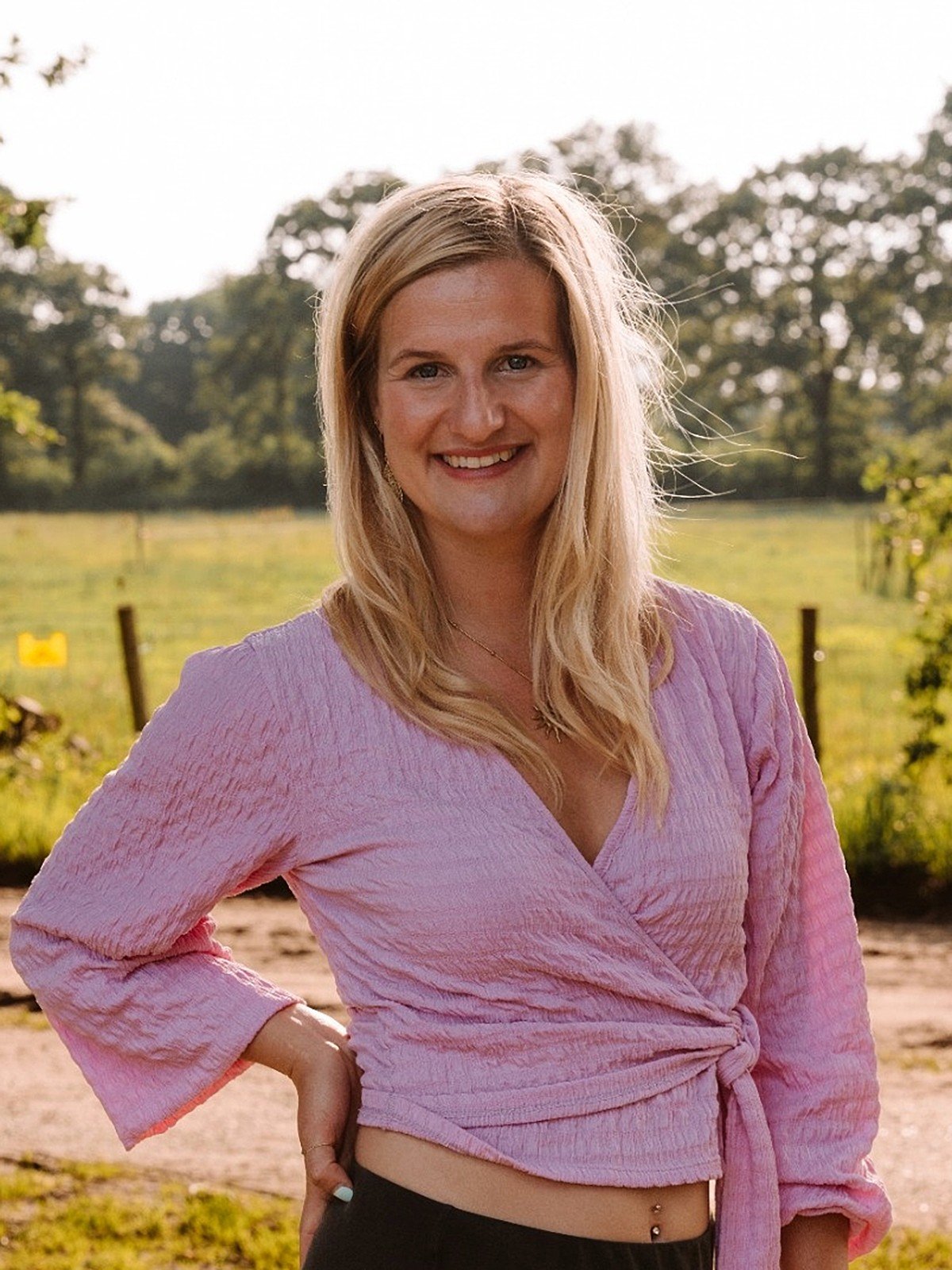 Anoek HaanHealth care psychologist (GZ-psycholoog)
 Paola CroesHealth care psychologist (GZ-psycholoog)
Frequently asked questions
Questions about EMDR therapy
Can't find your question? We're happy to help.
Further reading



Sources
This page is based on the Dutch mental health care standards and guidelines, and on how we work at SheVibes.
Updated on 19 november 2026